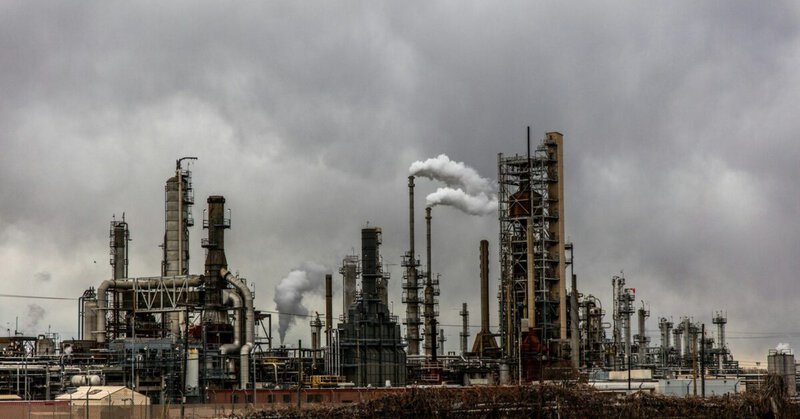
Every decade of delayed climate action now costs the global economy an additional $1-2 trillion in compounding damages, according to modelling by the Deloitte Economics Institute — a figure that reframes what happened in Istanbul not as a diplomatic stumble but as a measurable, quantifiable injury to the planet’s future. When COP31 collapsed on Sunday without a final agreement, after host-country environment minister Murat Kurum became embroiled in a breakdown over fossil fuels and climate finance, veteran negotiators called it “probably the worst COP ever” — and the science behind that verdict is both precise and sobering.
What COP Is Actually Supposed to Do — and Why This One Didn’t
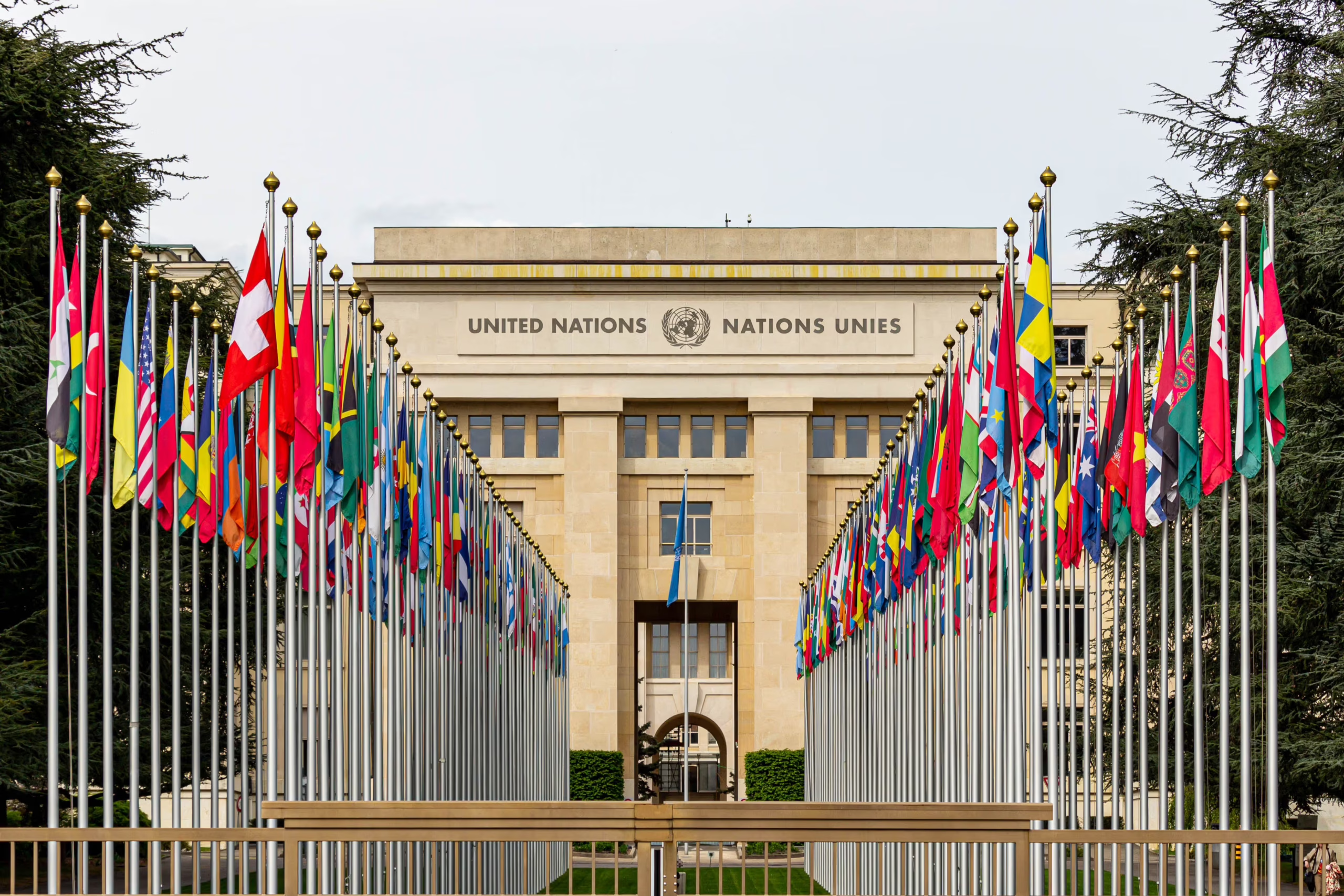
The Conference of the Parties, or COP, is the annual decision-making body of the UN Framework Convention on Climate Change (UNFCCC). Its primary function is to progressively strengthen national commitments under the 2015 Paris Agreement — the legally binding international treaty that the UN describes as the most relevant tool available for avoiding the worst effects of climate change. COP is not a regulatory body with enforcement powers; it works by building political consensus that then drives national legislation, investment decisions, and energy policy around the world.
COP31 in Turkey was supposed to close a critical gap. Existing national pledges, even if fully implemented, would still put the world on track for roughly 2.5-2.9°C of warming above pre-industrial levels by 2100, according to the UN Environment Programme’s 2023 Emissions Gap Report. The summit needed to ratchet those pledges upward. Instead, talks broke down over two interlocking disputes: whether the final text would name fossil fuels as the primary target of phase-down commitments, and how wealthy nations would fund climate adaptation in lower-income countries. Neither question was resolved. Without a new ratchet mechanism, the emissions trajectory locked in at COP28 in Dubai in 2023 remains the operative baseline — a baseline scientists consistently describe as dangerously insufficient.
The draft deal’s most glaring flaw, in the eyes of climate negotiators and researchers, was its failure to include any language on fossil fuels. COP28 had been considered a historic breakthrough precisely because, for the first time in COP history, a final text called for “transitioning away from fossil fuels.” COP31’s omission of that language represents a measurable regression in multilateral ambition — not simply a failure to advance, but an active step backward from the previous summit’s hard-won consensus.
The Physics of Failure: How Missed Deadlines Translate Into Degrees
To understand why a failed summit carries physical consequences, it helps to understand a property of carbon dioxide that climate scientists call long-term radiative forcing. CO₂ persists in the atmosphere for hundreds to thousands of years after it is emitted, meaning that greenhouse gases released today commit the planet to warming that will be felt across many generations. This is not a contested finding; it is one of the most thoroughly established results in atmospheric physics.
A 2021 study published in Nature Climate Change found that for every 1,000 gigatonnes of CO₂ emitted cumulatively, global average temperature rises by approximately 0.45°C. The Global Carbon Project estimated 2023 annual emissions at roughly 37 gigatonnes — meaning each year of inaction consumes a measurable and non-recoverable slice of the remaining carbon budget for safe warming limits. The Intergovernmental Panel on Climate Change (IPCC) Sixth Assessment Report, published in 2023, established that limiting warming to 1.5°C requires global emissions to reach net zero by around 2050 and fall roughly 43% below 2019 levels by 2030. That window narrows irreversibly with each failed negotiating cycle.
The relationship between emissions and warming is not straightforwardly linear, particularly at higher temperature thresholds. Beyond certain temperature levels, self-reinforcing feedbacks can accelerate warming independent of further human emissions. These include Arctic permafrost releasing stored methane as it thaws, dieback of the Amazon rainforest reducing its capacity to absorb CO₂, and destabilisation of ice sheets in Greenland and West Antarctica. The IPCC flags these scenarios as “low likelihood but high impact” — meaning they are not the central projection, but their potential consequences are severe enough that responsible risk management demands they be treated seriously.
What the Projections Actually Show at 2°C, 3°C, and Beyond
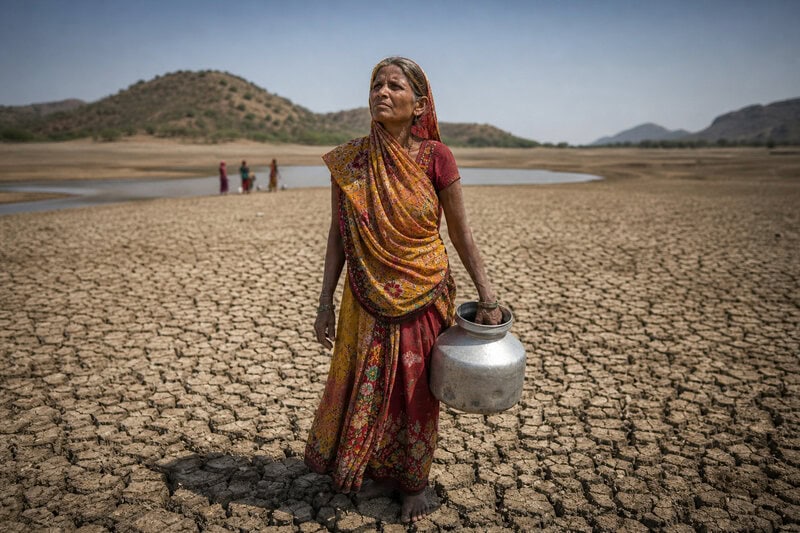
The difference between temperature scenarios is not academic. The IPCC’s Sixth Assessment Report provides detailed projections at each warming level, and the gaps between them are significant in human terms.
- At 2°C above pre-industrial levels, approximately 1 billion people face regular exposure to severe heat stress. Coral reef systems decline by 70-90%. Sea-level rise threatens coastal infrastructure housing hundreds of millions of people. The IPCC categorises these outcomes as severe but largely manageable with aggressive adaptation investment.
- At 3°C — close to the trajectory implied by current national policies without stronger COP outcomes — a 2023 study in Nature Sustainability estimated that 2 billion people could be living outside the “human climate niche” by 2080. The human climate niche refers to the temperature range in which civilisations have historically been able to flourish; most of the population pushed outside it would be concentrated in tropical and subtropical regions. A 2022 analysis in Nature Food found that a 3°C world would reduce global crop yields by up to 30% for staples including wheat and maize, with the greatest losses in regions already facing food insecurity.
- Beyond 4°C, the IPCC describes possible pathways in which multiple climate subsystems cross irreversible tipping points simultaneously — a risk framework researchers call “cascading tipping points.” The precise temperature triggers for individual tipping elements remain an active and contested area of research, but the IPCC notes that the probability of such cascades increases materially as warming rises above 2°C.
The Fossil Fuel Fault Line: Why the Omission Matters Scientifically
Fossil fuels — coal, oil, and natural gas — account for approximately 75% of global greenhouse-gas emissions, according to the International Energy Agency (IEA). Any climate agreement that does not explicitly address their production and consumption leaves the dominant source of warming unaddressed. This is not a matter of political framing; it is an accounting identity in emissions science.
The IEA’s landmark Net Zero by 2050 report, published in 2021, stated unambiguously that no new oil, gas, or coal field development is compatible with a 1.5°C pathway. The absence of fossil-fuel language from the COP31 draft text therefore represents a direct contradiction of the scientific roadmap for safe climate outcomes. Observers described the breakdown as the summit’s defining and disqualifying flaw.
Scientists are careful to note that COP agreements are political signals rather than physical controls on the atmosphere. Their importance lies in the national policies, regulatory frameworks, and investment decisions they catalyse in the years following each summit. A weakened or absent text carries real-world emissions consequences even though the mechanism is indirect: it removes the political pressure that drives governments to legislate, and it reduces the confidence signals that steer capital away from fossil-fuel infrastructure and toward clean-energy alternatives. The longer such signals are absent, the deeper the lock-in of fossil-fuel assets becomes.
The Cost of Inaction: What Economists and Insurers Are Now Measuring
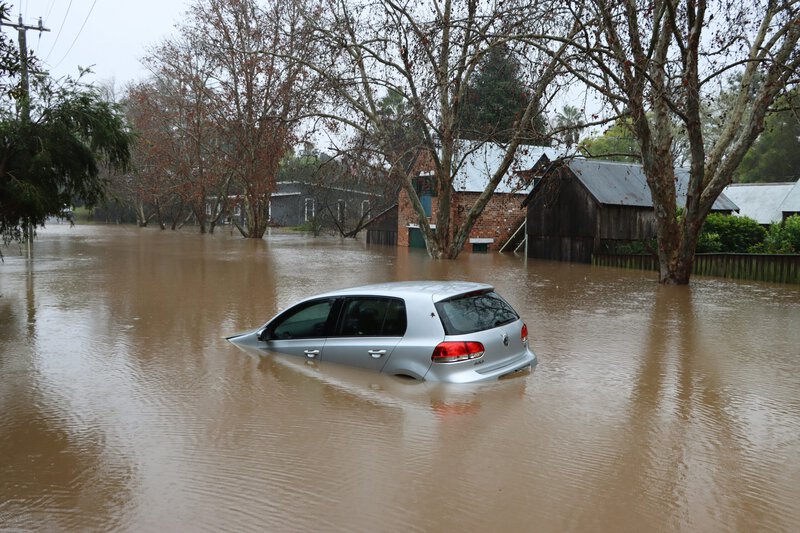
The economic case against inaction has grown considerably more precise in recent years. A 2023 paper in Nature, produced by economists at the Potsdam Institute for Climate Impact Research, estimated that climate change will reduce global GDP by an average of 19% by 2050 relative to a world without warming — roughly six times the economic cost of the aggressive mitigation required to limit warming to 2°C. That ratio — six dollars of damage avoided for every one dollar spent on mitigation — is now one of the most-cited figures in climate economics, and it does not depend on optimistic assumptions about clean-energy costs.
Insurance data provides a complementary and often-overlooked perspective. Global insured losses from extreme weather events reached $95 billion in 2023 alone, according to Swiss Re Institute figures, with total economic losses estimated at $280 billion. The gap between those two numbers — roughly $185 billion — represents losses borne by governments, households, and uninsured communities rather than by financial markets. Because that gap falls outside standard market reporting mechanisms, it does not appear in most conventional assessments of climate-linked economic damage, meaning the publicly visible figures systematically understate the true cost.
The World Health Organization projects that between 2030 and 2050, climate change will cause approximately 250,000 additional deaths per year from malnutrition, malaria, diarrhoea, and heat stress. The burden falls overwhelmingly on low-income countries that have contributed least to cumulative emissions — the same countries whose demands for adequate climate finance helped precipitate the collapse of the COP31 negotiations.
Economists distinguish between “transition costs” — the upfront investment required to decarbonise energy, transport, and agriculture — and “residual damage costs,” the irreversible physical and economic losses from warming that has already occurred or is now locked in. The scientific consensus is that residual damage costs grow super-linearly with temperature: each additional degree of warming is more destructive than the last, making delay disproportionately and increasingly expensive the longer it continues.
What the Science Says Can Still Be Salvaged
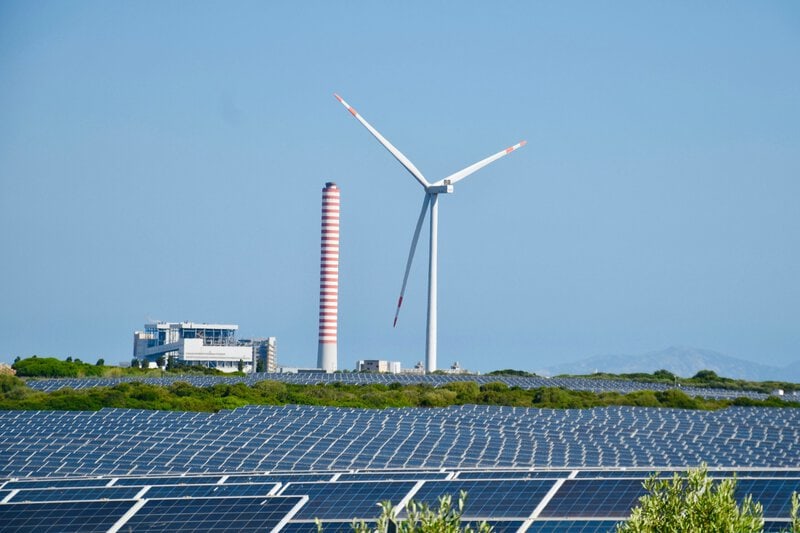
The collapse of COP31 is a serious setback, but climate scientists are consistent in resisting the framing of any single summit as a point of no return. The UN has confirmed that the Paris Agreement remains legally in force regardless of what happened in Turkey, meaning national commitments made under it are still operative. The problem is not legal dissolution but motivational stagnation: without a new ratchet mechanism, those commitments will not be voluntarily strengthened on the schedule the IPCC says is necessary.
The IPCC’s clearest message on this point is also its most actionable: every fraction of a degree of warming avoided translates into measurable reductions in harm. The report frames this as “every action counts and every year matters” — a principle that applies whether action comes through a multilateral COP agreement, national carbon-pricing legislation, the European Union’s Carbon Border Adjustment Mechanism, or bilateral clean-energy partnerships between major emitting economies. Researchers note, however, that these alternative levers lack the global coordination capacity needed to simultaneously address emissions across the world’s largest-emitting economies — which is precisely what the COP process, at its best, is designed to achieve and what the talks failed to deliver.
The scientific community’s message following COP31 is neither that the climate battle is won nor that it is irreversibly lost. It is something more demanding than either: that the cost of continued failure — measured in degrees of warming, in trillions of dollars of economic damage, and in hundreds of thousands of preventable deaths — is now quantified precisely enough that choosing inaction means choosing a known and calculable outcome. That is a different and graver kind of accountability than the world faced at earlier, more uncertain stages of climate science, and it is the context in which the word “failure” carries its full weight.