
A raccoon named Jimothy became an international sensation almost overnight — and the moment his fame spread beyond Seattle, wildlife professionals felt something closer to dread than delight. The same viral affection that made Jimothy a beloved internet figure is precisely the mechanism that wildlife scientists warn can compromise a wild animal’s health, behavior, and survival.
Who Is Jimothy, and Why Are Experts Worried?
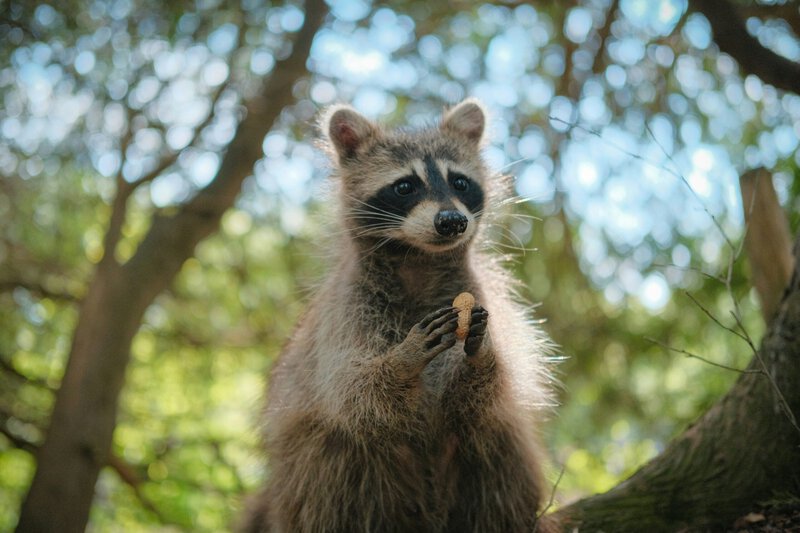
Jimothy is a raccoon living in Seattle whose visibility exploded across social media, earning him fans on multiple continents. Coverage of Jimothy’s rise to internet fame quickly prompted a response from wildlife professionals who recognized a pattern they had seen play out before: public adoration, growing crowds, and the steady erosion of the boundary between humans and wild animals.
Wildlife officials moved quickly to warn people against getting too close to Jimothy. The Fur-Bearers organization stated clearly that the kindest response to an animal like Jimothy is restraint: giving him space, protecting his location, and allowing trained professionals to intervene if needed. Washington State University wildlife experts reinforced that position, noting that the best way to show care for a wild animal is to admire it from a distance, and that anyone concerned about Jimothy’s health should contact a local wildlife authority rather than approach him directly.
The Sarvey Wildlife Care Center expressed public concern about Jimothy’s international fame, citing a well-documented pattern: human interaction is often detrimental to the very wild animals people believe they are celebrating. Their concern was grounded in decades of wildlife science. Understanding why requires looking at what actually happens inside a wild animal the moment a human gets too close.
The Biology of Fear: What Happens Inside a Wild Animal When Humans Approach
When a wild animal perceives a human as a threat, its hypothalamic-pituitary-adrenal (HPA) axis — the body’s central stress-response system — triggers a surge of glucocorticoid hormones, primarily cortisol in mammals. This hormonal cascade is efficient and ancient: it diverts energy away from digestion, reproduction, and immune function toward immediate survival. In short bursts, that response is adaptive. Repeated or chronic activation is something else entirely.
Research by Frid and Dill, published in the journal Science in 2002, established what is now called the risk-disturbance hypothesis: wildlife treat human intrusion as a predator-like threat, triggering the same physiological cascade as an actual predator encounter — even when no physical harm occurs. The animal cannot distinguish between a curious tourist and a genuine threat. Its nervous system responds identically to both.
Chronic, repeated human disturbance — the kind generated when a viral animal draws crowds day after day — has been linked in multiple studies to elevated baseline cortisol, reduced foraging time, and suppressed immune response in mammalian wildlife. These are not theoretical harms. They translate directly to animals that eat less, reproduce less successfully, and fight off disease less effectively.
It is worth being precise about what the science has firmly established versus what remains an active area of inquiry. Acute stress responses in wildlife are well-documented and represent clear scientific consensus. Researchers do note that individual animals show variation in physiological resilience, and some may habituate to human presence without measurable long-term harm. However, no peer-reviewed evidence supports the claim that habituation to humans is uniformly safe, and the weight of the literature falls firmly on the side of distance.
Habituation: Why a Seemingly Friendly Wild Animal Is Often an Animal in Danger
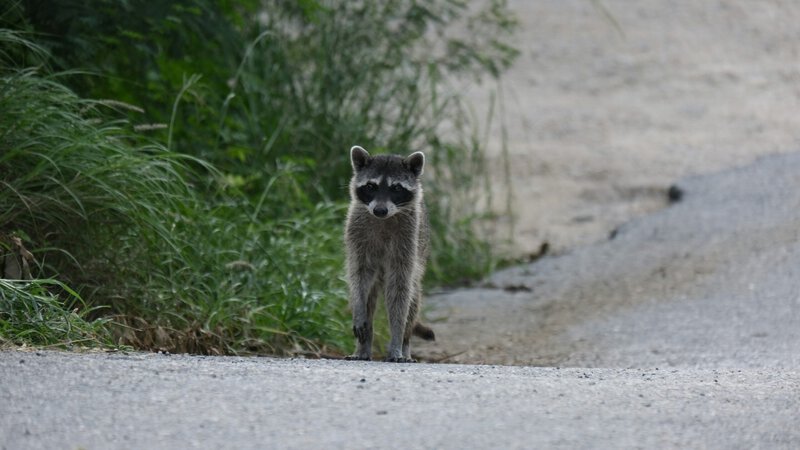
Habituation describes the process by which a wild animal gradually reduces its fear response to repeated, non-harmful human exposure. On the surface, it can look like friendliness or contentment. Wildlife professionals consider it a welfare risk.
A habituated wild animal that no longer flees human approach loses a critical survival mechanism: its flight-initiation distance — the minimum proximity to a perceived threat before escape behavior activates. That reflex does not apply only to humans. It is the same mechanism that protects an animal from vehicles, dogs, and other genuine dangers. When habituation erodes that response, the animal becomes vulnerable to threats it has not learned to distinguish from the harmless crowds it has grown accustomed to ignoring.
Wildlife managers use the term “food-conditioned” to describe a related but distinct risk: animals that associate humans with food. The National Park Service has documented that food-conditioned bears, raccoons, and coyotes are significantly more likely to be euthanized as public-safety risks — a trajectory frequently set in motion by well-intentioned public feeding. The animal learns to seek out humans; humans eventually perceive the animal as dangerous; the outcome is lethal.
Jimothy has not been confirmed as food-conditioned. But the Sarvey Wildlife Care Center’s concern reflects this documented pattern precisely. Professionals urge the public not to feed, touch, or crowd any habituated wild animal not because they are indifferent to the animal’s welfare, but because they understand where that path leads.
When Social Media Scales Up Wildlife Disturbance
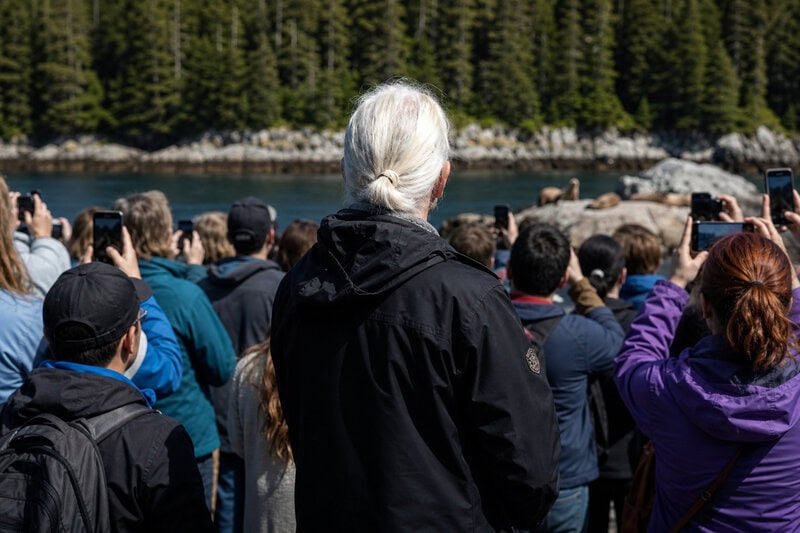
What makes Jimothy’s case both distinctive and instructive is the scale at which his fame operated. A local raccoon with a local following is a manageable situation. An internationally viral raccoon with a geotagged location presents a different problem entirely.
Wildlife disturbance becomes exponentially more damaging when amplified by social media, because a single viral post can convert a local, manageable human presence into a sustained, large-scale intrusion on an animal’s core habitat range. A 2019 study published in Current Biology by Suraci and colleagues found that the mere acoustic presence of humans — measured through playback experiments in wilderness areas — suppressed large-mammal activity by 36 to 99 percent compared to baseline levels in human-free areas. The researchers described the effect as equivalent to the “landscape of fear” generated by apex predators. Humans, in sufficient numbers and frequency, restructure the behavioral ecology of the animals around them.
Raccoons are among the most adaptable urban wildlife species, and that adaptability is part of why Jimothy has survived and thrived in Seattle. But research from the Urban Wildlife Institute at Lincoln Park Zoo indicates that even urban-adapted species show measurable behavioral shifts — altered activity patterns, reduced foraging efficiency — when human foot traffic in their territory increases significantly. Adaptability has limits.
Every share, geotag, and in-person visit generated by viral wildlife content can function as an unintentional, cumulative stressor on the animal at its center. The Fur-Bearers’ recommendation to avoid sharing Jimothy’s precise location reflects a growing professional consensus. A 2022 review in Conservation Biology found that geotagged social media posts were directly linked to increased human visitation and measurable habitat disruption at wildlife sites — making social media virality a novel and underexamined form of wildlife disturbance.
What the Science Recommends
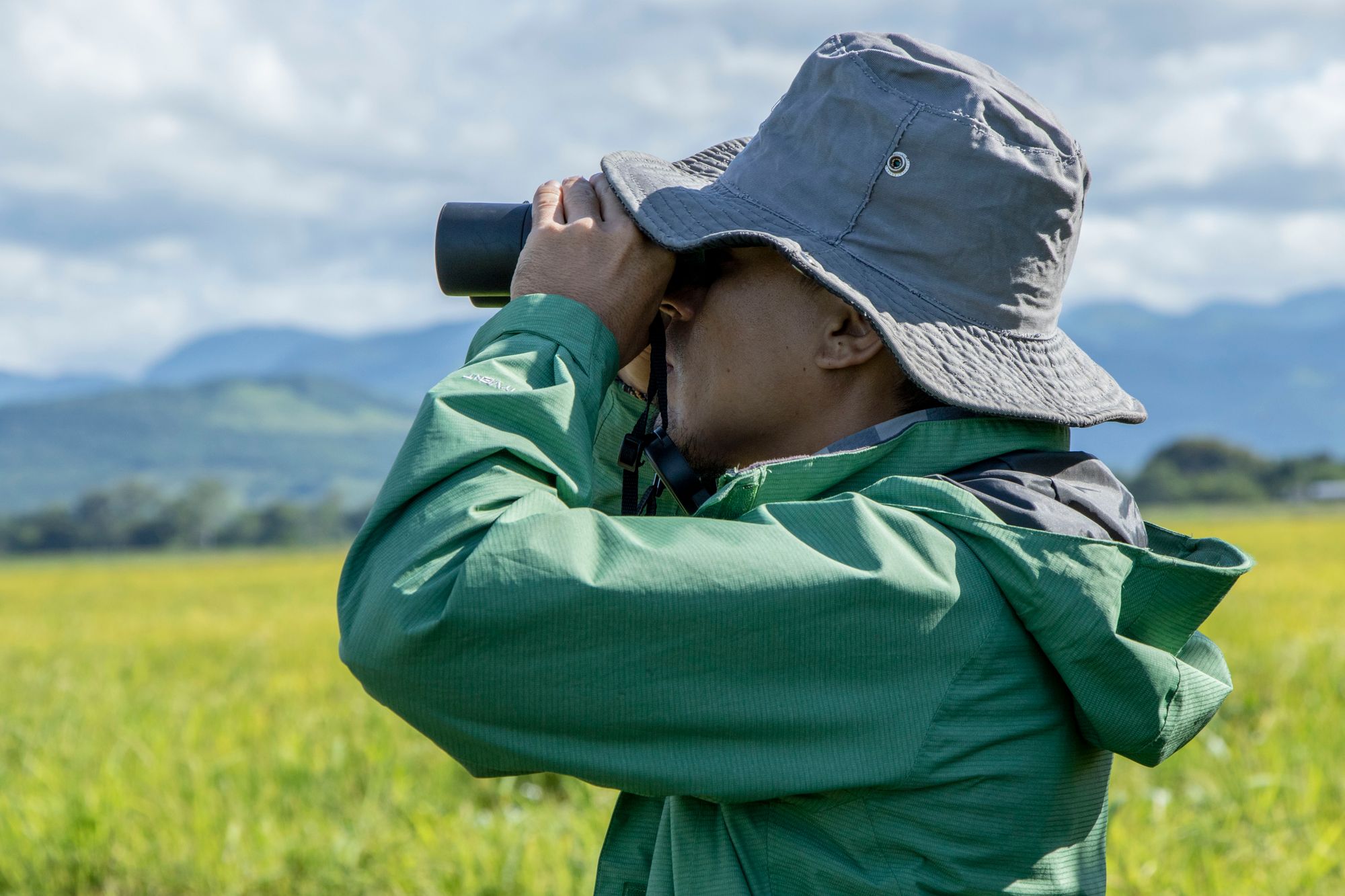
Guidance from wildlife scientists and professional organizations is consistent across species. The International Union for Conservation of Nature guidelines on wildlife watching recommend maintaining species-specific buffer distances and identify minimizing disturbance duration and frequency as the single most effective non-regulatory tool for protecting wild animal welfare.
Studies consistently find that maintaining observer distance above an animal’s established flight-initiation distance produces no measurable stress response. Encroaching below that threshold triggers acute HPA activation. The scientific case for distance is not a matter of ongoing debate — it is one of the more robust findings in applied wildlife biology.
WSU’s framing of Jimothy’s case as a teachable moment reflects exactly this: the science already exists, and it points toward a clear set of behaviors accessible to any member of the public. The actionable guidance, supported by multiple wildlife agencies, is straightforward:
- Observe without approaching. Maintain a distance that does not alter the animal’s behavior — if the animal notices you and changes what it is doing, you are too close.
- Never feed wild animals, regardless of how accustomed to humans they appear to be.
- Never share precise locations or geotag wildlife on social media. General references to a neighborhood are safer than pinpointed coordinates or landmarks.
- Report welfare concerns to professionals. Contact a licensed wildlife rehabilitator or local wildlife authority rather than intervening personally.
Restraint as the Highest Form of Wildlife Stewardship
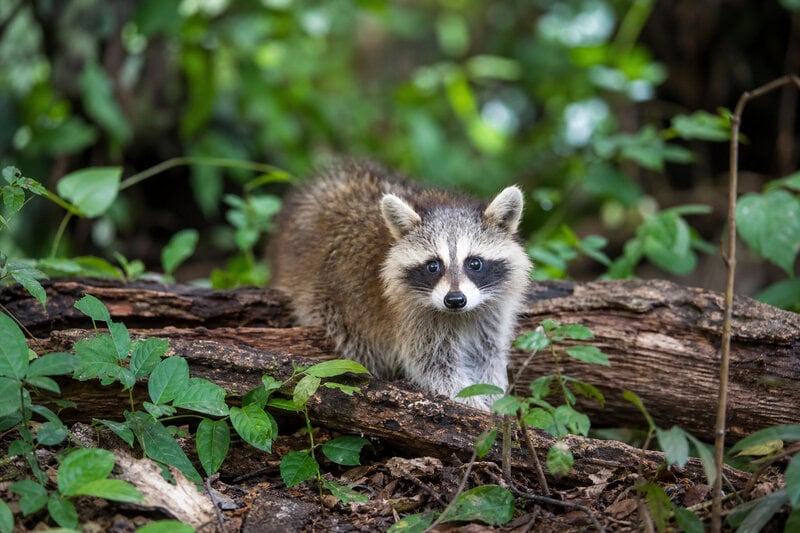
The affection the public feels for Jimothy is not the problem. Affection for wildlife — when it motivates policy support, habitat protection, and funding for rehabilitation centers like Sarvey — is genuinely valuable. The problem is expressing that affection without the scientific literacy to channel it constructively.
Wildlife professionals speaking directly to Jimothy’s situation have converged on a single protocol: if you spot him and feel concern, contact a local wildlife authority. Do not approach, touch, feed, or share his precise location online. That protocol is not arbitrary caution — it is derived from a substantial body of evidence about what harms wild animals and what does not.
Jimothy’s moment of internet fame is an opportunity to normalize a more scientifically grounded relationship between humans and urban wildlife — one in which restraint, distance, and deference to trained professionals are understood not as coldness, but as the most sophisticated form of care available to a non-expert. The public’s curiosity about Jimothy is understandable and, at its core, a positive impulse. What wildlife science asks is that curiosity be expressed at a distance and through channels that do not put the animal at risk.
Giving wildlife space is not passive indifference. It is the one intervention that every wildlife scientist, rehabilitator, and conservation organization agrees does no harm — and the evidence suggests it may be the most meaningful thing an admiring public can do.