Section 5: Richard Lenski’s E. coli Long-Term Evolution Experiment and Real-Time Evolution
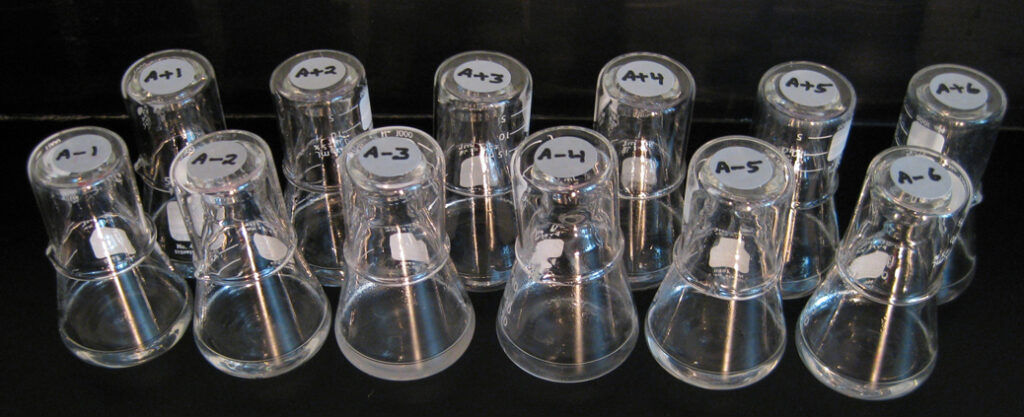
In 1988, evolutionary biologist Richard Lenski initiated the E. coli Long-Term Evolution Experiment (LTEE) at Michigan State University, aiming to observe evolutionary processes in real time. This ongoing study involves 12 initially identical populations of *Escherichia coli* bacteria, each maintained in a glucose-limited medium, allowing researchers to monitor genetic changes and adaptations over thousands of generations. (nsf.gov)
The LTEE has provided profound insights into evolutionary dynamics. Over the course of the experiment, the bacteria have exhibited significant increases in fitness, with populations growing approximately 70% faster than the ancestral strain by 20,000 generations. This rapid adaptation underscores the capacity for substantial evolutionary change within relatively short timescales. (nsf.gov)
One of the most notable outcomes of the LTEE was the evolution of a strain capable of utilizing citrate as a carbon source under aerobic conditions—a trait absent in the ancestral *E. coli* strain. This adaptation emerged in one of the populations after approximately 33,000 generations, highlighting the potential for significant metabolic innovations to arise through natural selection. (nsf.gov)
Additionally, the LTEE has demonstrated the role of historical contingency in evolution. By “replaying the tape” of evolution, researchers found that the same initial conditions did not always lead to identical outcomes, emphasizing the influence of chance events and prior mutations on evolutionary trajectories. (wired.com)
In summary, Richard Lenski’s E. coli Long-Term Evolution Experiment has been instrumental in advancing our understanding of evolutionary processes. By observing genetic changes and adaptations in real time, the LTEE has provided valuable insights into the mechanisms of evolution, the potential for rapid adaptation, and the influence of historical events on evolutionary outcomes. (nsf.gov)