Mechanical Weather Computer (1850)
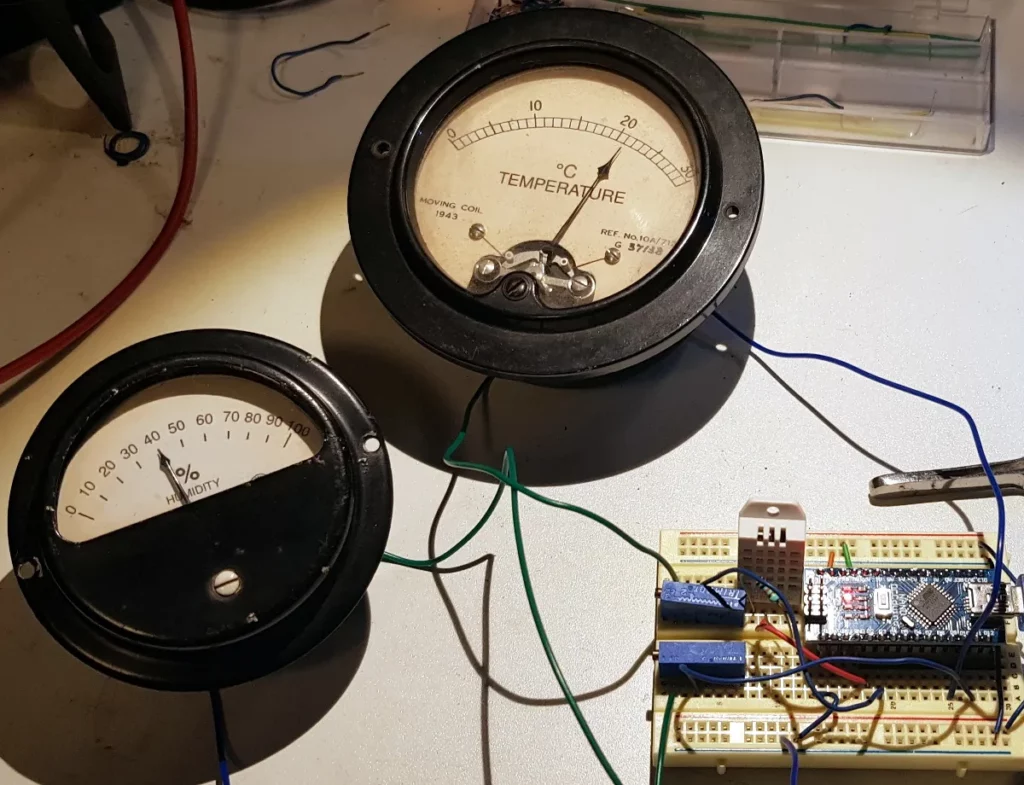
Victorian scientists built ingenious brass machines that could predict the weather. These sophisticated devices used a network of levers and gears connected to sensitive barometric instruments that tracked subtle changes in air pressure. As weather patterns shifted, the mechanisms would move indicators across carefully calibrated charts, showing which conditions were likely approaching.
Some of the more advanced models could even track multiple weather factors at once, combining temperature, humidity, and pressure readings to forecast storms days in advance. What really set these machines apart was their surprising accuracy – sailors and farmers came to trust their predictions more than traditional weather wisdom. The best part? With no electricity needed and few moving parts to maintain, these mechanical forecasters kept working reliably for decades.