Self-Timing Street Lamp (1891)
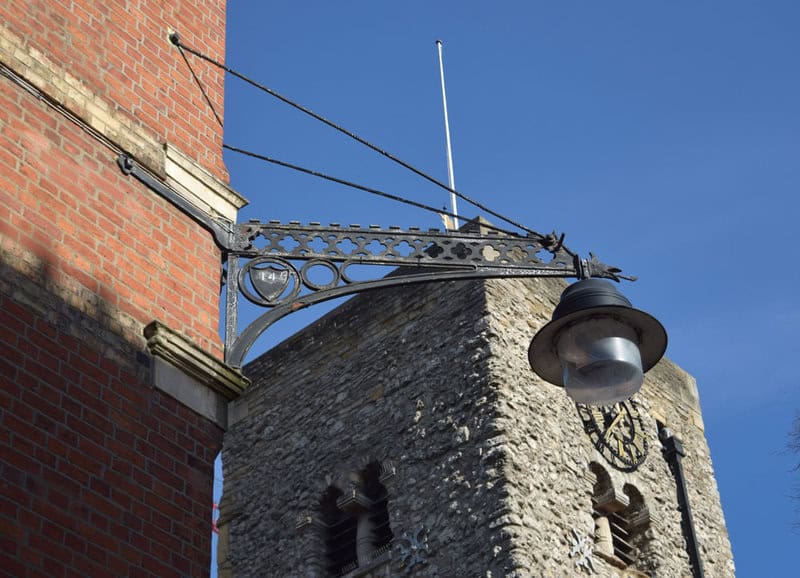
Victorian engineers solved the problem of street lighting with remarkable ingenuity. Their automated lamps used precisely calibrated oil reservoirs and temperature-sensitive metal strips that could sense the difference between day and night. As evening temperatures fell, the metal strips would contract, triggering mechanisms that lit the lamps automatically.
Come morning, warming temperatures reversed the process. The system proved remarkably reliable, with each lamp burning steadily through the night using minimal fuel. Maintenance workers only needed to refill the oil every few weeks, and the simple mechanical parts rarely needed replacement. Many of these lamps faithfully lit city streets for decades, operating completely independently of any external power or control.