Gene Editing Revolution: CRISPR’s Rise to Fame
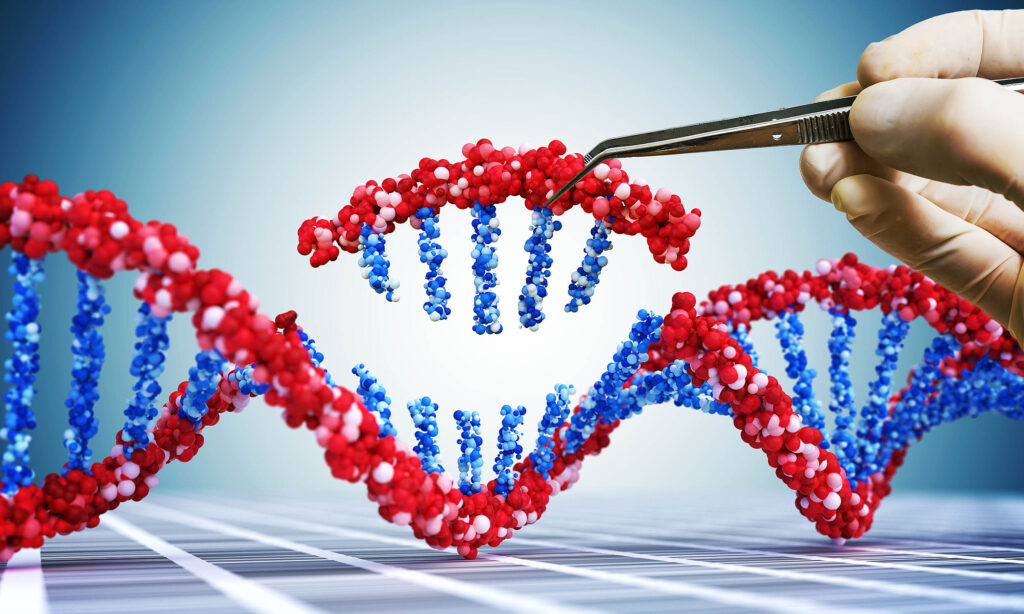
Jennifer Doudna and Emmanuelle Charpentier faced intense skepticism when they proposed CRISPR for gene editing in 2012. Many biologists claimed the bacterial defense system wouldn’t work precisely enough in human cells, while others worried it could create dangerous mutations. The scientific community questioned both its safety and ethical implications for human embryo modification. Despite early doubts, CRISPR proved remarkably accurate and versatile. The technique now revolutionizes everything from cancer treatment to crop improvement, earning Doudna and Charpentier the 2020 Nobel Prize in Chemistry.