Stars That Tell Time: Leavitt’s Cosmic Measuring Stick
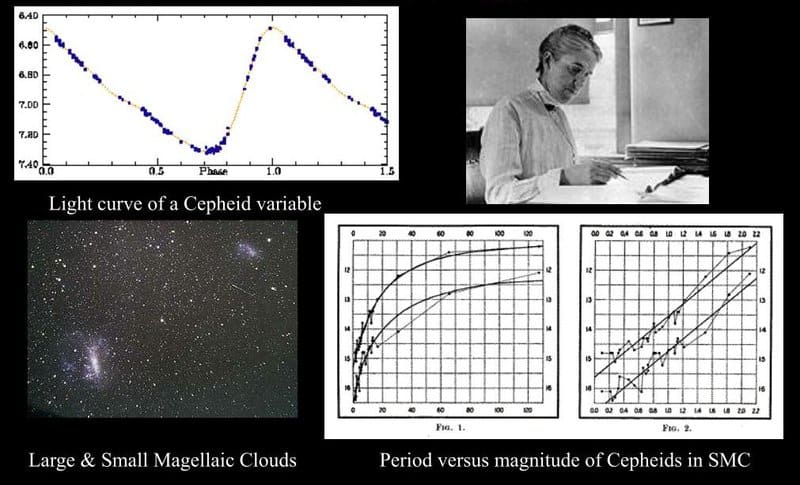
Henrietta Leavitt worked as a computer at Harvard Observatory in the early 1900s, carefully studying variable stars in photographic plates. She discovered that brighter Cepheid variables pulsed more slowly, creating a cosmic yardstick for measuring distances. Male astronomers initially overlooked her work since she was a woman in a male-dominated field, earning just 30 cents an hour. Edwin Hubble later used her period-luminosity relation to prove galaxies existed beyond the Milky Way. She died of cancer in 1921 without recognition, though her discovery became crucial for understanding the universe’s scale.