The Double Helix Breakthrough: Watson and Crick’s DNA Model
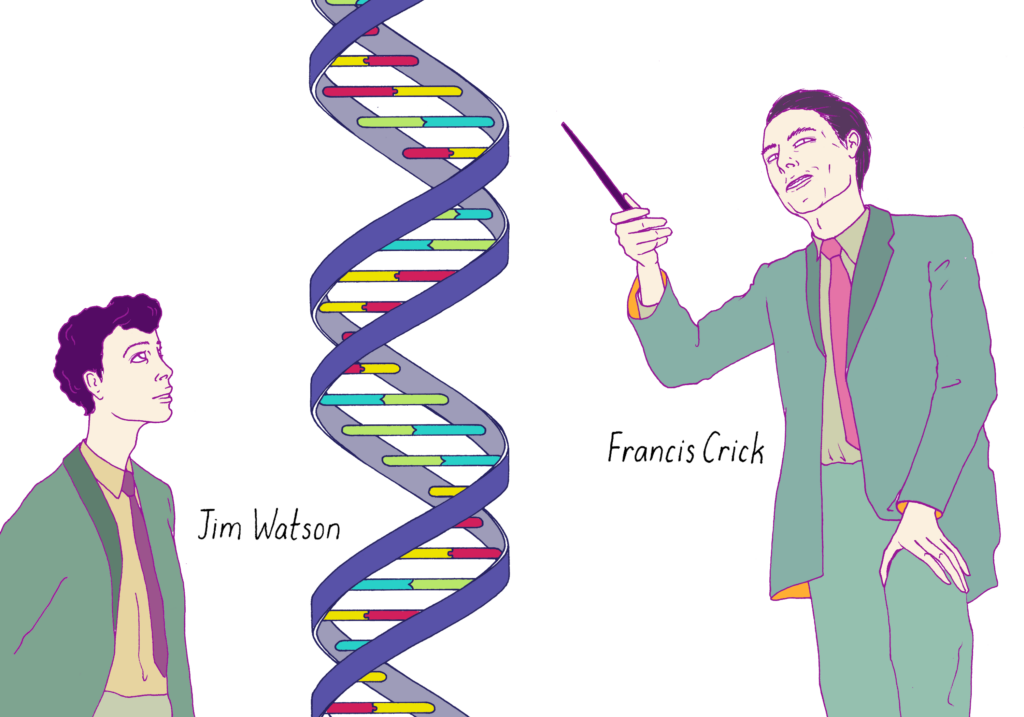
James Watson and Francis Crick faced skepticism when they proposed their DNA double helix model in 1953. The scientific community questioned their use of X-ray crystallography data, particularly their interpretation of hydrogen bonds holding DNA strands together. Many researchers favored Linus Pauling’s triple-helix model despite its chemical impossibilities. Maurice Wilkins and Rosalind Franklin’s precise X-ray work at King’s College London proved crucial, though Franklin never received proper credit due to her early death and gender bias. Watson and Crick’s model eventually transformed our understanding of genetic inheritance, earning them the 1962 Nobel Prize.