The Cell’s Power Plant: Krebs and the Citric Acid Cycle
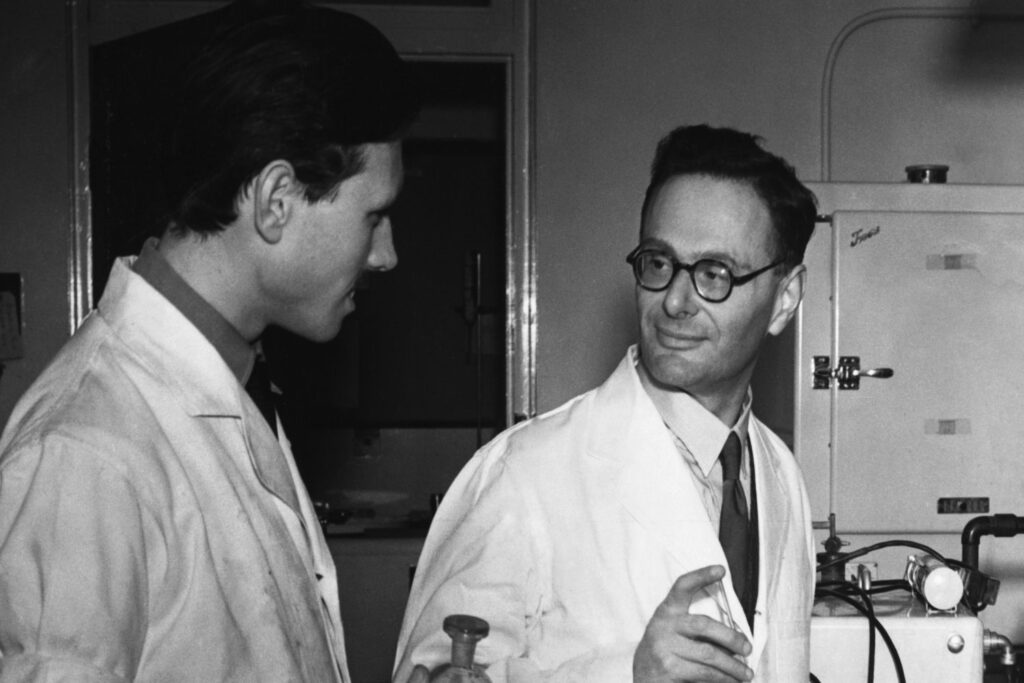
Hans Krebs faced a crushing setback in 1937 when Nature rejected his paper describing how cells generate energy. He had uncovered the citric acid cycle, a complex series of chemical reactions that cells use to break down food into energy. The journal claimed they had no space for his findings, despite their fundamental importance to understanding cellular metabolism. Krebs kept pushing forward with his research, eventually publishing his work elsewhere. His determination led to a Nobel Prize in Medicine in 1953. Today, every biology student learns about “the Krebs cycle” as a cornerstone of cellular energy production.