Frogs Can Survive Freezing Temperatures
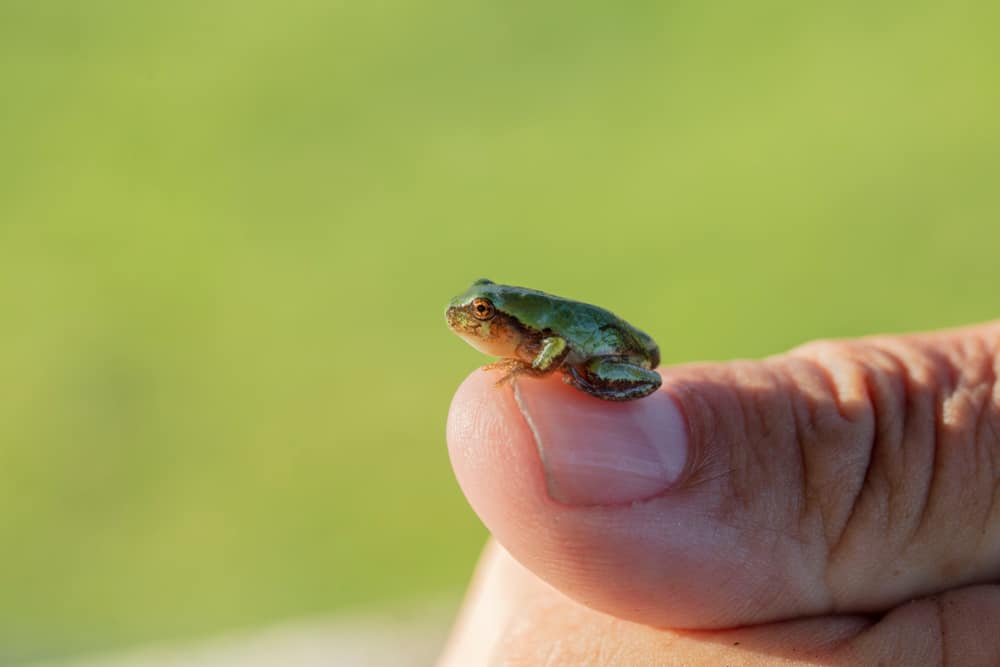
That’s right! Frogs have a unique ability that allows them to survive even in the harshest winters. They allow themselves to freeze, and their internal organs take care of the rest to ensure they don’t die. Their liver converts glycerol to glucose, circulated through the body to ensure ice doesn’t form around vital organs. A frog’s heart rate will slow down and stop after each organ is protected, then start back up once temperatures begin to rise. Frogs will remain in their typical habitat throughout the winter, burrowing into the mud at the bottom of ponds or holes in the ground.

There are over 6,000 species of frogs in the world. The rarest frog in the world is a tree frog by the name of Isthmohyla Rivularis, which is located in Costa Rica. These frogs are critically endangered and have only been seen once in the last 25 years. Lifespans of frogs vary by type, but a toad, for example, can live for 10-12 years. Frogs are carnivorous in nature and enjoy a diet of insects such as flies, grasshoppers, dragonflies, small mice, snakes, and even turtles. The Goliath Frog, the largest frog in the world, weighs in at over seven pounds and grows to the size of a domestic cat!