Tennessee Lost Six Endangered Species
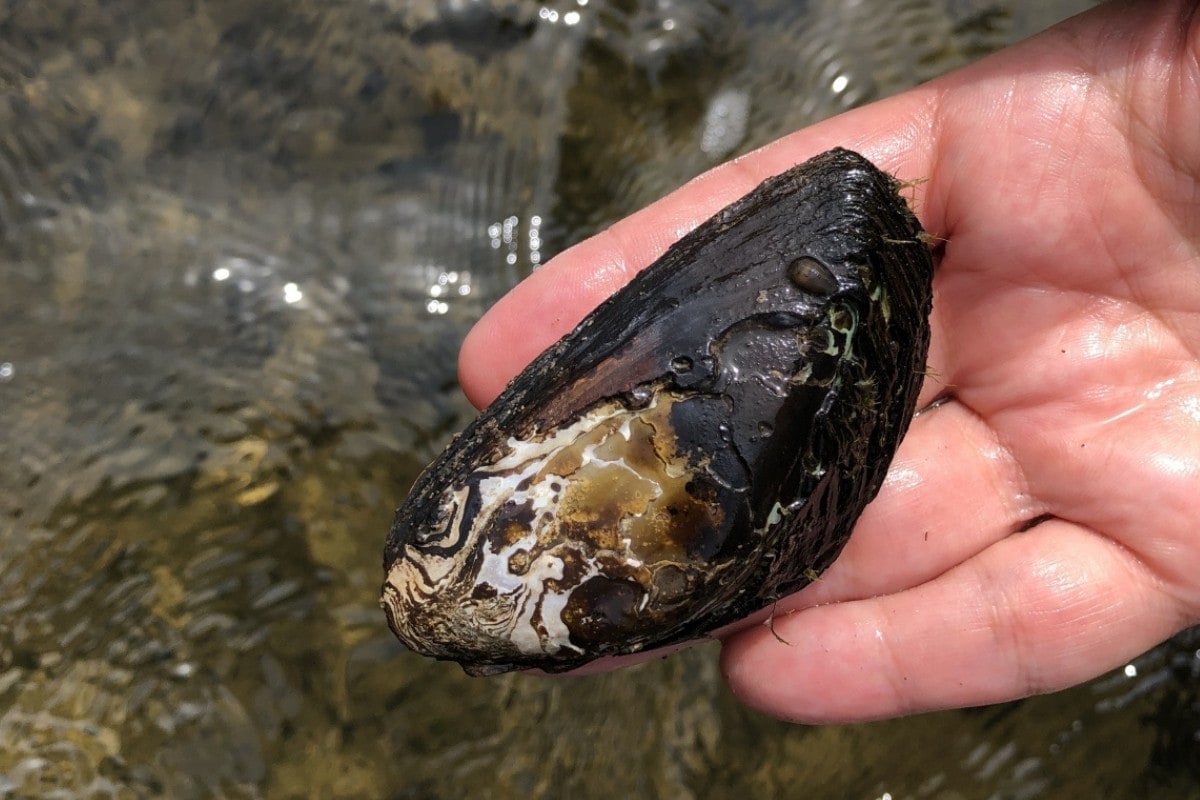
In a stark declaration of environmental distress, the U.S. Fish and Wildlife Service officially announced six types of mussels extinct in Tennessee, signaling a broader crisis for the nation’s biodiversity. The announcement, made on October 17, 2023, marked the removal of 21 species, including various birds, fish, bats, and mussels, from the Endangered Species Act. Tragically, these species had received protection under the ESA in the 1970s and 1990s, but their populations dwindled to the point of no return. Habitat fragmentation, a consequence of flood control structures, navigation, recreation, and hydroelectric power production, coupled with pollution from construction, mining, and farming, were identified as the primary culprits behind the mussels’ demise.
Among the extinct mussels were the Southern acornshell, the Upland combshell, the Green-blossom pearly mussel, the Tubercled-blossom pearly mussel, the Yellow-blossom pearly mussel, and the Turgid-blossom pearly mussel. Each species faced distinct threats, such as habitat modification, sedimentation, and water quality degradation, ultimately leading to their disappearance. Federal protection measures were deemed too late to reverse the decline, serving as a poignant reminder of the critical need for conservation efforts to safeguard imperiled species before irreversible consequences unfold. As these mussels vanish, so too does their vital role in filtering bacteria, algae, and pollution from local waterways, emphasizing the urgent necessity for responsible environmental stewardship in the face of escalating ecological challenges.