Thumb Power: Precision Grip
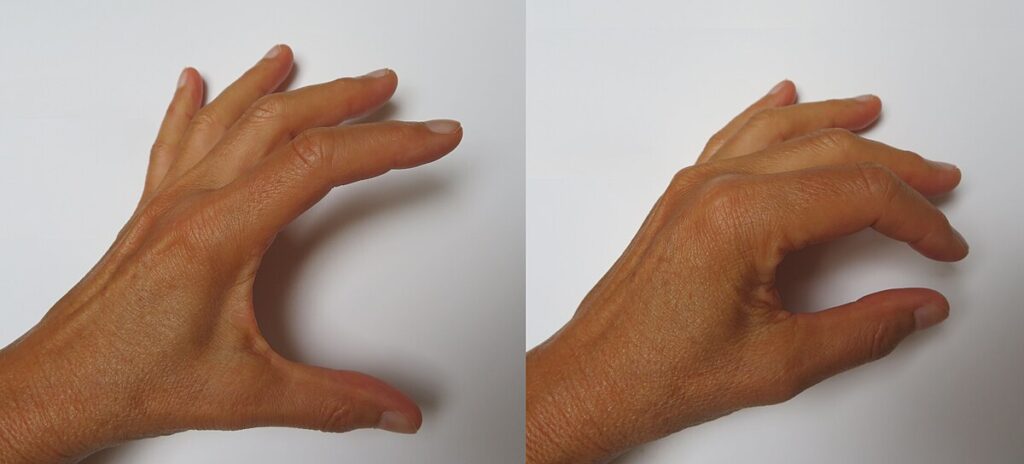
The evolution of the human thumb has been pivotal in developing a uniquely dexterous precision grip, setting Homo sapiens apart from other primates. Key anatomical adaptations include:
Opposable Thumb: The thumb’s ability to touch the tips of the other fingers allows for a range of grips and movements, facilitating tasks requiring fine motor skills. (en.wikipedia.org)
Shorter, Straighter Fingers: Compared to other primates, humans have shorter and straighter fingers, enhancing precision in tool manipulation. (exploreanthro.com)
Enhanced Thumb Musculature: The development of specific thumb muscles, such as the opponens pollicis, has increased the efficiency of thumb opposition, crucial for tasks like tool use. (pubmed.ncbi.nlm.nih.gov)
These adaptations have enabled humans to create and use complex tools, a defining characteristic of our species. (npr.org)