7. Bubble Theory
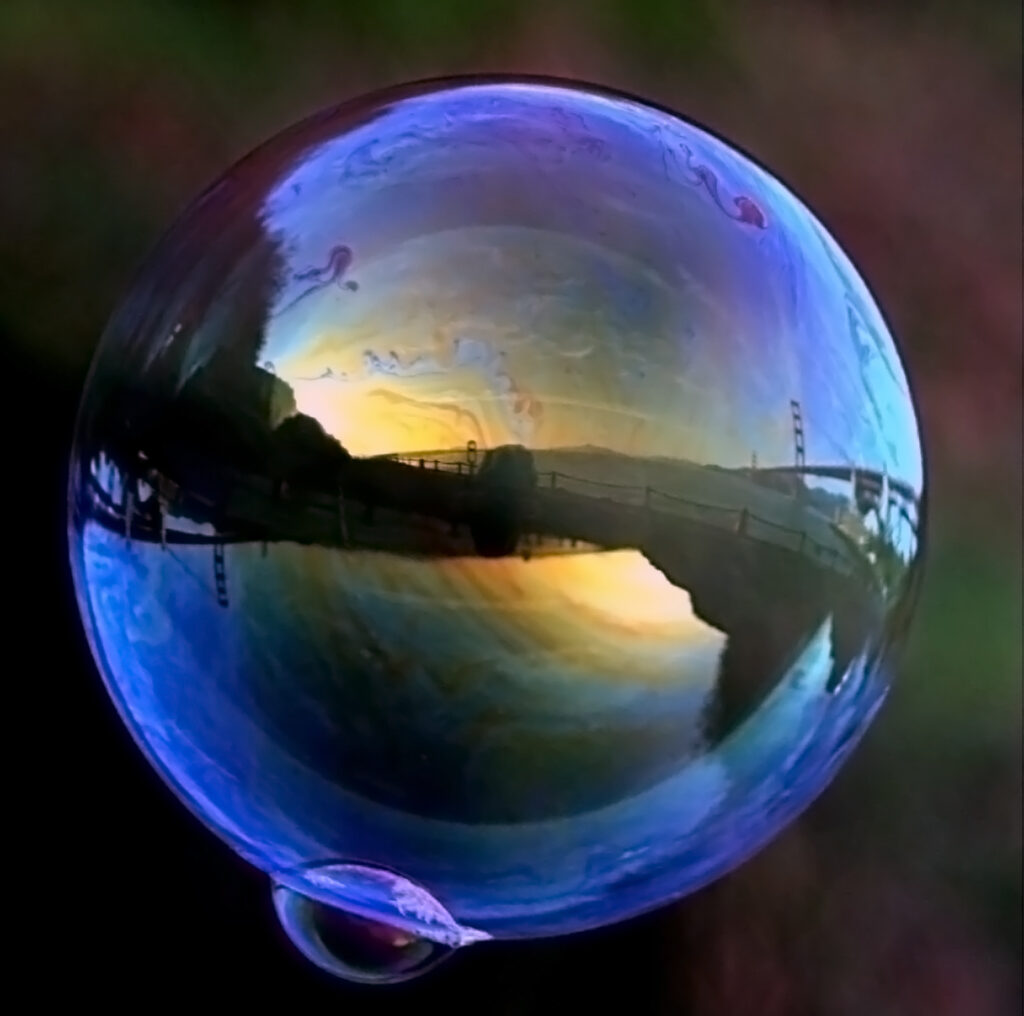
The Bubble Theory, proposed by geophysicist Louis Lerman in 1992, suggests that bubbles in the primordial oceans played a crucial role in the origin of life. (www2.lbl.gov) According to this hypothesis, underwater bubbles trapped gases released by volcanic activity, such as ammonia, methane, hydrogen, and sulfur dioxide. (education.seattlepi.com) As these bubbles rose to the ocean’s surface and burst, they released these gases into the atmosphere, where they were exposed to ultraviolet radiation or lightning, leading to the formation of complex organic molecules. (newsweek.com) These molecules then precipitated back into the ocean, where they could be re-encapsulated by new bubbles, creating a cyclic process that concentrated and protected organic compounds, facilitating the emergence of life. (www2.lbl.gov)