4. Clay Hypothesis
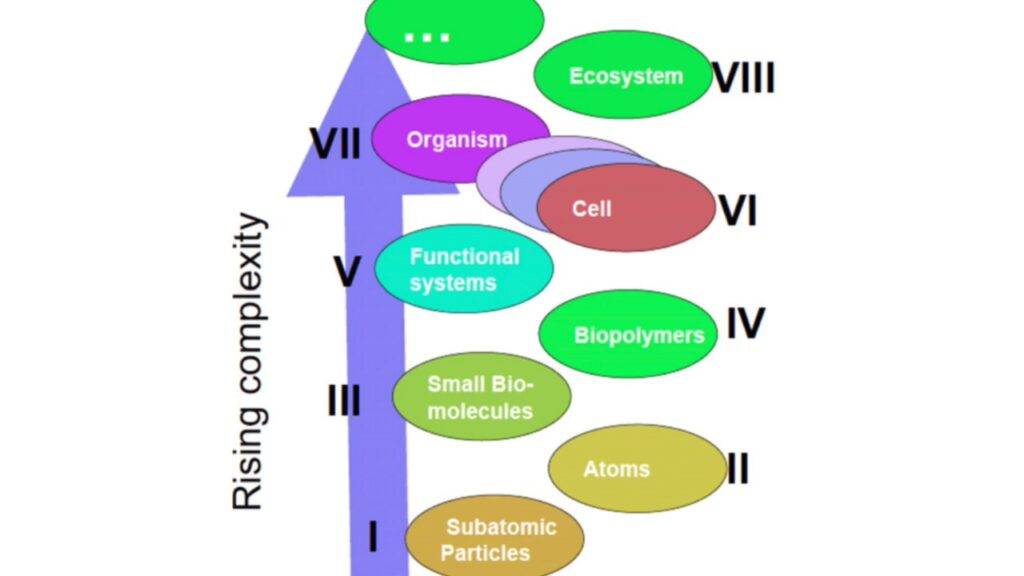
The Clay Hypothesis suggests that minerals in clay, particularly montmorillonite, may have facilitated the assembly of organic molecules by acting as catalysts and providing surfaces for polymerization. (ncbi.nlm.nih.gov) These minerals can adsorb organic molecules, concentrating them and promoting reactions necessary for complex molecule formation. (sciencedirect.com) Additionally, clays can form vesicle-like structures that encapsulate these molecules, offering protection and a compartmentalized environment conducive to the emergence of early life forms. (news.harvard.edu)