6. Spider Silk from Yeast
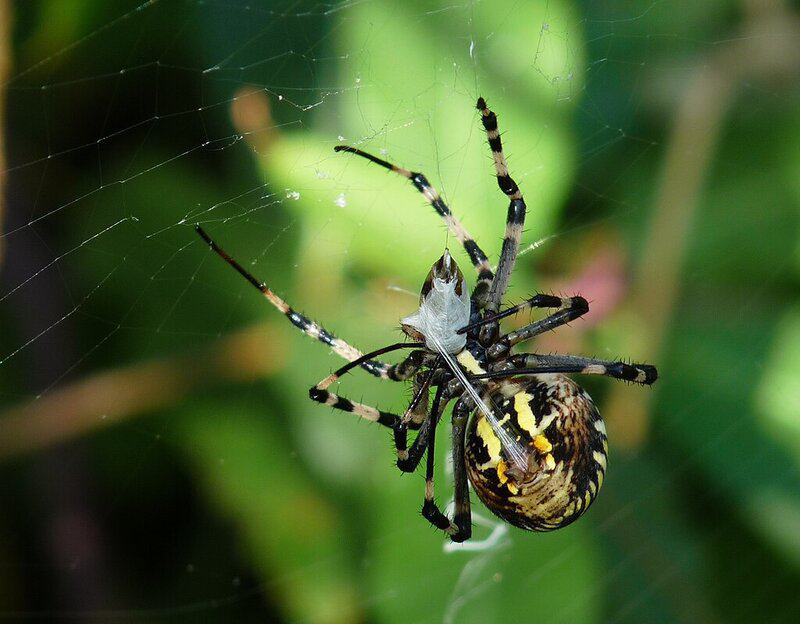
Through advanced genetic engineering, scientists have introduced synthetic spider silk gene clusters into Saccharomyces cerevisiae, harnessing common baker’s yeast to churn out silk proteins in compact bioreactors. These budding yeast lines can yield tens of milligrams of silk per liter of culture, according to ScienceDaily, matching early bacterial production levels.
Once purified, these proteins are spun into fibers rivaling natural silk’s tensile strength. This scalable approach paves the way for robust textiles, medical sutures, and aerospace materials, with ongoing work to refine spin methods and increase yields.