5. Brain-Computer Interfaces
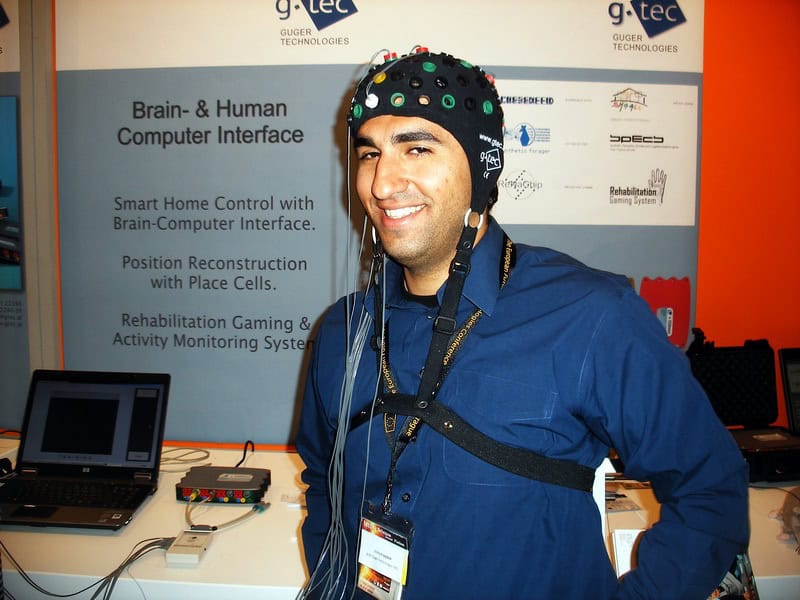
Recent neural implants decode electrical activity in the motor cortex, allowing users to operate cursors, prosthetic limbs, or wheelchairs purely by thought. Researchers at BrainGate have demonstrated tetraplegic patients typing messages and controlling robotic arms with near-natural speed and precision.
Programs like DARPA’s Revolutionizing Prosthetics and companies such as Neuralink are refining implant density and signal processing. These breakthroughs open paths to restore mobility for paralyzed individuals, highlighting a future where mind-driven devices become commonplace.