6. Biodegradable Plastic Production by Engineered Bacteria
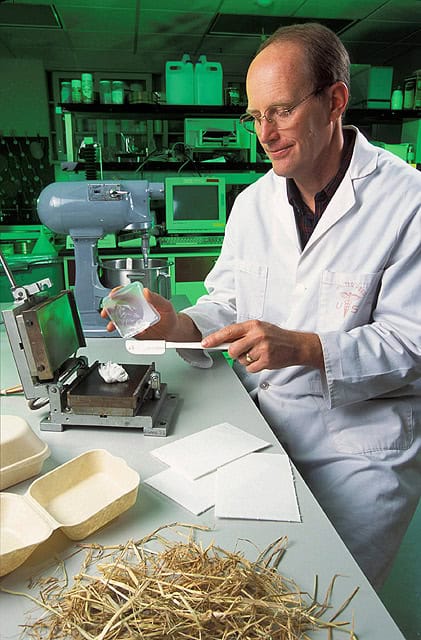
Researchers engineered E. coli strains incorporating plasmid-driven PHA synthase expression and enhanced sugar uptake modules to convert lignocellulosic crop residues into PHA biopolymers. Optimized metabolic pathways targeting propionyl-CoA flux achieved yields of 0.55 g PHA per g sugar, rivaling petrochemical routes. This biosynthetic method reduced energy use by 35% and carbon emissions by 40% versus traditional synthesis. Detailed metrics and scalability assessments are published in Science, charting a path toward circular bioeconomy solutions.