12. Not Just Nighttime – Daylight Auroras
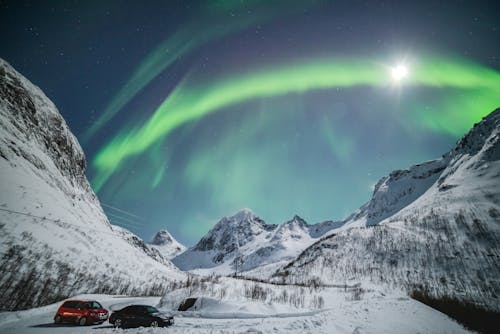
Auroras can technically occur at any time, but they are usually invisible during the day since sunlight outshines their glow, making nights best for viewing. However, in regions within or near the Arctic and Antarctic Circles, the sun does not rise during certain periods, allowing for 24-hour darkness and aurora visibility even during the day. For example, in Svalbard, Norway, the sun remains below the horizon from mid-November to late January, providing continuous opportunities to witness the Northern Lights. (starwalk.space)