6. The Tuskegee Syphilis Study
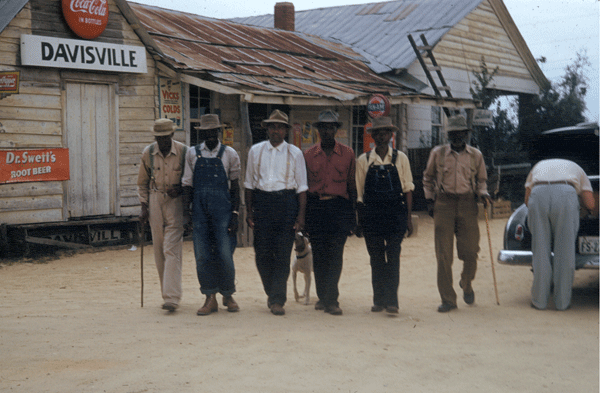
Between 1932 and 1972, the U.S. Public Health Service conducted a study in Macon County, Alabama, involving 600 Black men—399 with syphilis and 201 without. Participants were misled into believing they were receiving treatment for “bad blood,” a local term encompassing various ailments, including syphilis. Even after penicillin became the standard cure in the 1940s, researchers withheld it from the men to observe the disease’s progression. The study resulted in numerous deaths and infections, leading to significant ethical reforms in research practices. (cdc.gov)