5. Homeostasis
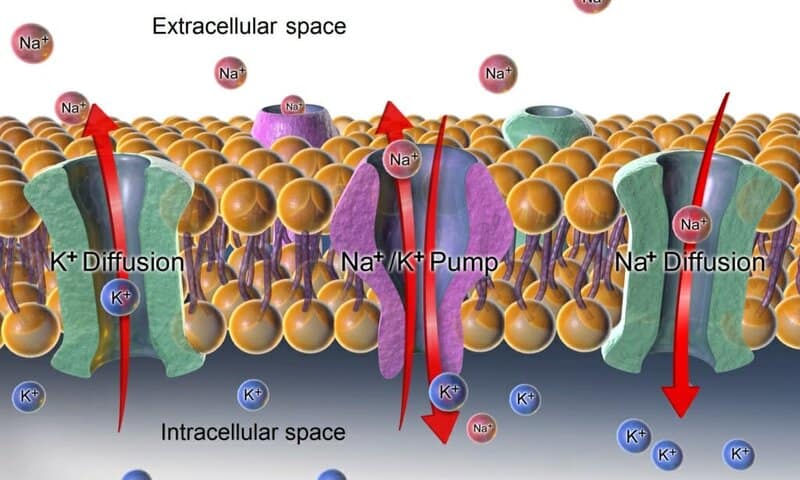
Homeostasis is the ability of living organisms to maintain stable internal conditions despite external environmental changes. This crucial trait originates from ancient cells, which developed mechanisms to regulate their internal environments, ensuring optimal conditions for survival. These mechanisms include the regulation of temperature, pH levels, and ion concentrations. For instance, ancient cells used membrane transport proteins to control the movement of substances in and out of the cell. Today, modern organisms exhibit sophisticated homeostatic processes, such as thermoregulation and osmoregulation, allowing them to thrive in various habitats. The legacy of homeostasis remains vital for sustaining life across all species.