3. Metabolism
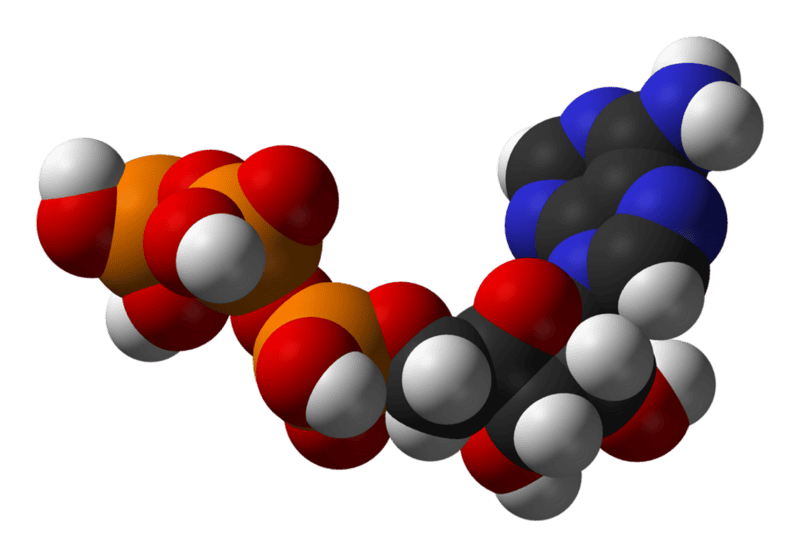
Metabolism refers to the set of life-sustaining chemical reactions that convert food into energy. This process was vital for the survival of ancient cells, allowing them to harness energy from their environment. Early metabolic pathways, such as glycolysis, are still evident in modern organisms, demonstrating their evolutionary significance. These processes enable cells to extract energy from nutrients, ensuring growth and reproduction. The adaptability of metabolic pathways has allowed life to flourish in diverse habitats, from extreme environments to everyday ecosystems. Thus, the metabolic traits inherited from our ancient ancestors continue to underpin the vitality of all living beings today.