15. Programmed Cell Death
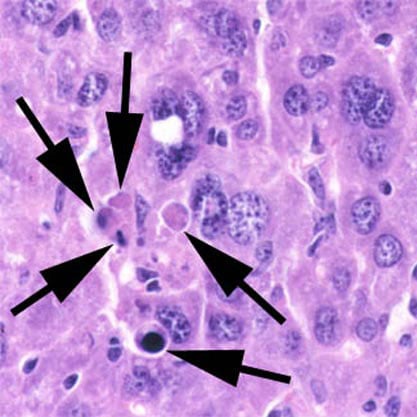
Programmed cell death, or apoptosis, is a critical mechanism that has its origins in ancient cellular processes. This highly regulated form of cell death allows organisms to eliminate damaged or unnecessary cells, maintaining overall health and homeostasis. In early life forms, programmed cell death served essential functions, such as removing cells that could jeopardize the organism’s survival. Today, this process is vital for development, tissue maintenance, and immune responses in complex organisms. The evolutionary preservation of apoptosis underscores its importance in cellular life, highlighting how ancient mechanisms continue to play a crucial role in the health and longevity of modern species.