The Plague and Corpses That ‘Didn’t Rot’
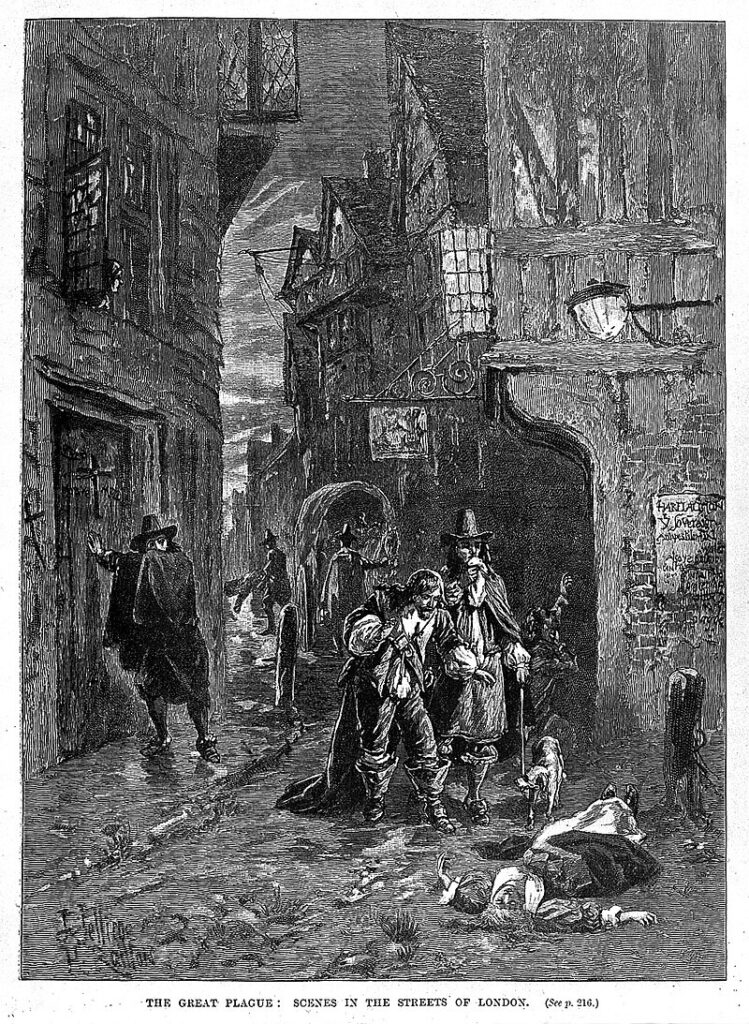
During the 14th to 18th centuries, Europe faced devastating plague outbreaks, leading to mass graves and a lack of understanding about decomposition. Corpses in these graves sometimes appeared unnaturally preserved, with bloated bodies and blood at the mouth, fueling beliefs in vampires and zombies. For instance, in 16th-century Venice, a woman buried among plague victims had a brick placed in her mouth, possibly to prevent her from ‘feeding’ on the living. (archive.archaeology.org)