11. Low Biodiversity, High Adaptation
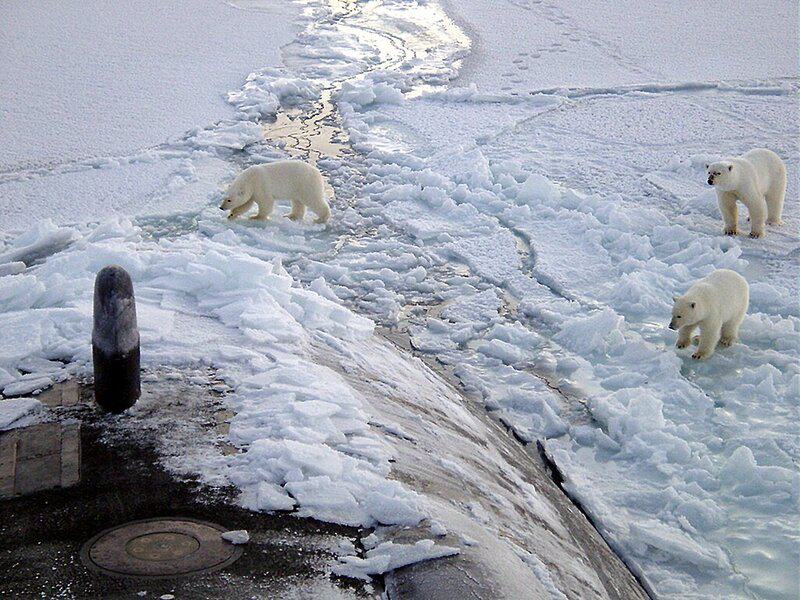
The Arctic is home to a relatively low number of species, yet those that inhabit this region exhibit remarkable adaptations to survive its harsh conditions. Polar bears, for instance, have evolved thick fur and a layer of blubber to insulate against freezing temperatures. Arctic foxes possess fur that changes color with the seasons, providing camouflage in both winter snow and summer tundra. Musk oxen have dense, woolly coats and strong hooves to navigate deep snow and ice. Arctic mosses can photosynthesize at low temperatures, enabling them to grow in the short Arctic summer. These adaptations are vital for survival in an environment where temperatures can plummet to -76°F (-60°C) and daylight is scarce. (worldwildlife.org) For more information on Arctic wildlife and their adaptations, visit the World Wildlife Fund’s Arctic page. (worldwildlife.org)