10. Delayed Spring and ‘Arctic Haze’
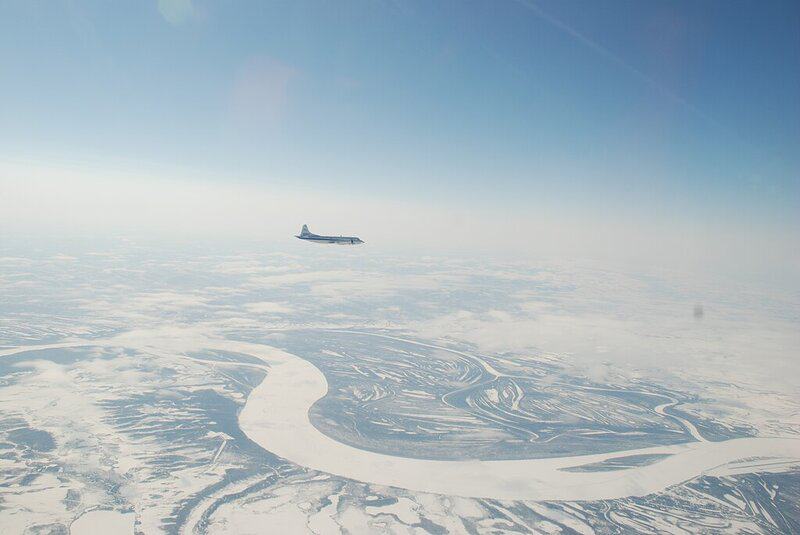
In the Arctic, spring can be delayed due to lingering ice cover and snow, leading to prolonged cold conditions. This delay is further exacerbated by the phenomenon known as ‘Arctic haze,’ a persistent brownish haze that appears in the atmosphere during early spring. Arctic haze results from the transport of pollutants from industrialized regions, such as Europe, Asia, and North America, into the Arctic. These pollutants, including sulfates and black carbon, can remain suspended in the atmosphere for extended periods, sometimes over a month, due to limited precipitation and turbulent air to disperse them. The presence of Arctic haze not only diminishes visibility but also contributes to the warming of the Arctic region by absorbing sunlight and releasing heat. This warming effect can further delay the onset of spring and impact local ecosystems. For a comprehensive overview of Arctic haze, refer to the Safe Drinking Water Foundation’s fact sheet. (safewater.org)