Not the First Self-Experimentation
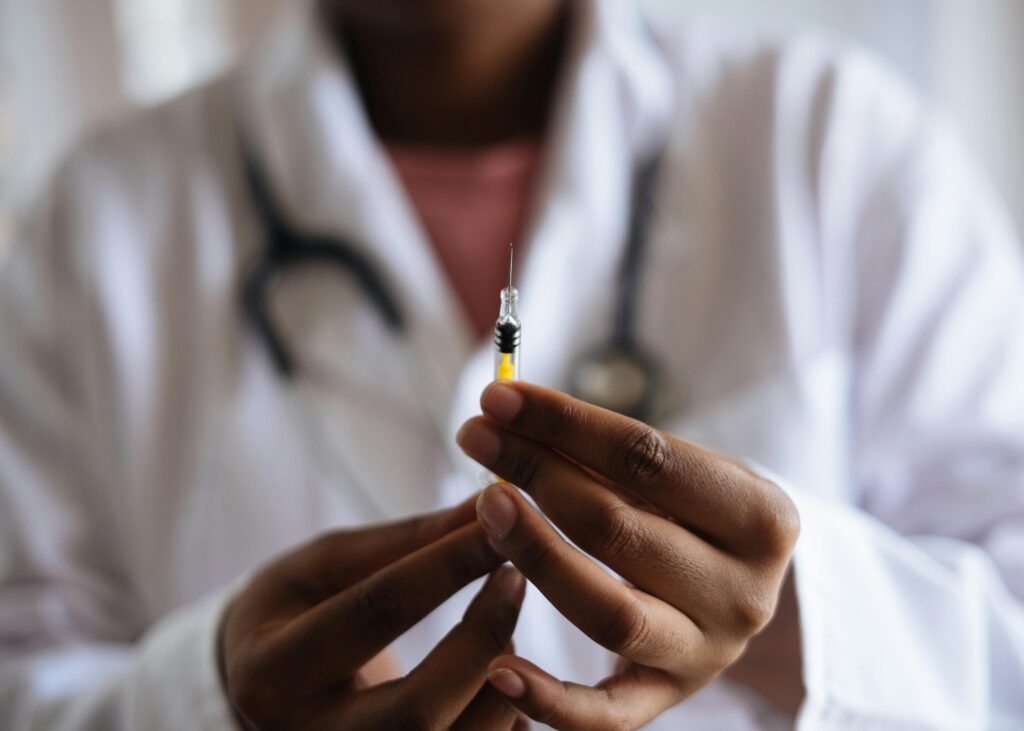
Dr. Anatoli Brouchkov’s self-injection with Bacillus F is part of a long history of scientists conducting self-experiments to advance medical knowledge. Notable examples include:
Barry Marshall: In 1984, Australian physician Barry Marshall ingested a culture of Helicobacter pylori to prove its role in causing gastric ulcers, a discovery that earned him the Nobel Prize. (goldbio.com)
Werner Forssmann: In 1929, German physician Werner Forssmann performed the first human cardiac catheterization on himself, a procedure that later became fundamental in cardiology. (discovermagazine.com)
Albert Hofmann: In 1943, Swiss chemist Albert Hofmann intentionally ingested LSD to study its effects, leading to the discovery of its psychoactive properties. (en.wikipedia.org)
Hideyo Noguchi: In the early 20th century, Japanese bacteriologist Hideyo Noguchi conducted self-experiments, including ingesting solutions containing potential pathogens, to study diseases like syphilis. (en.wikipedia.org)
These instances highlight the tradition of self-experimentation in science, where researchers test hypotheses on themselves to gain firsthand insights into medical phenomena.