7. Glyptapanteles (Parasitic Wasp)
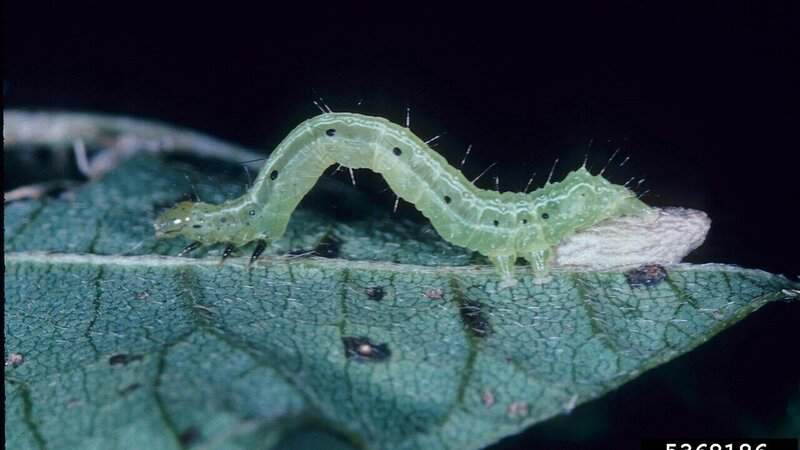
The parasitic wasp Glyptapanteles exhibits a remarkable strategy to ensure the survival of its offspring. Female wasps lay up to 80 eggs inside a caterpillar host, such as the geometrid moth Thyrinteina leucocerae. The larvae develop within the caterpillar, feeding on its bodily fluids without immediately killing it. Upon reaching maturity, the larvae exit the caterpillar to pupate nearby. Remarkably, the caterpillar remains alive and ceases feeding, positioning itself near the developing pupae. It then defends the pupae by violently swinging its head at potential predators, effectively acting as a bodyguard. This behavior significantly increases the survival rate of the wasp pupae, as studies have shown that the presence of the parasitized caterpillar reduces pupal mortality by approximately 50%. This adaptation highlights the intricate relationship between the parasite and its host, where the host’s altered behavior directly benefits the parasite’s reproductive success. (nature.com)