7. CRISPR-Modified Mosquitoes
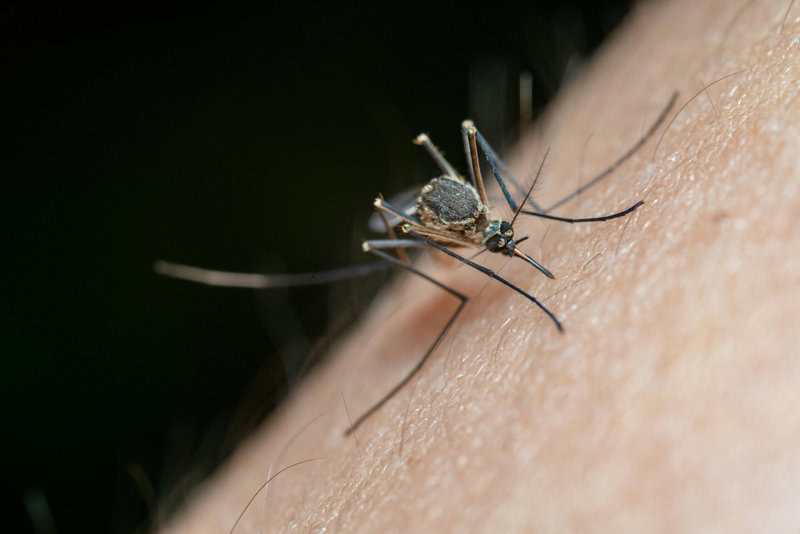
In 2007, researchers at Johns Hopkins University engineered mosquitoes to resist malaria by introducing a synthetic gene encoding a peptide called SM1, which targets the malaria parasite. These genetically modified mosquitoes not only prevented infection but also exhibited enhanced survival and reproductive rates compared to their unaltered counterparts. This unexpected advantage led to a rapidly growing population of malaria-resistant mosquitoes, demonstrating the potential of gene editing to create new life forms with traits beneficial for disease control. The ecological implications of such modifications are discussed in Nature.