1. Nylon-Eating Bacteria
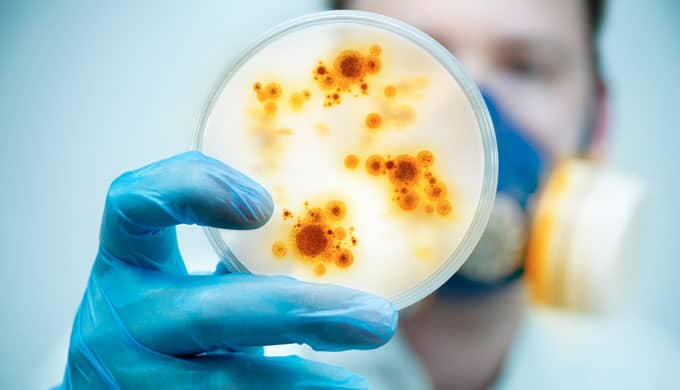
In the 1970s, Japanese scientists discovered a strain of Flavobacterium in wastewater ponds of a nylon factory capable of digesting by-products of nylon-6 production, such as the linear dimer of 6-aminohexanoate. These compounds did not exist in nature prior to the invention of nylon in 1935. The bacterium, initially named Achromobacter guttatus, was later reclassified as Flavobacterium sp. KI72. Studies revealed that the bacteria produced three unique enzymes—6-aminohexanoate-cyclic-dimer hydrolase (NylA), 6-aminohexanoate-dimer hydrolase (NylB), and 6-aminohexanoate-oligomer endohydrolase (NylC)—which enabled them to metabolize these synthetic compounds. These enzymes are encoded on a plasmid called pOAD2. This phenomenon has been documented in sources such as PubMed.