Complex Cells Made A Crucial Breakthrough
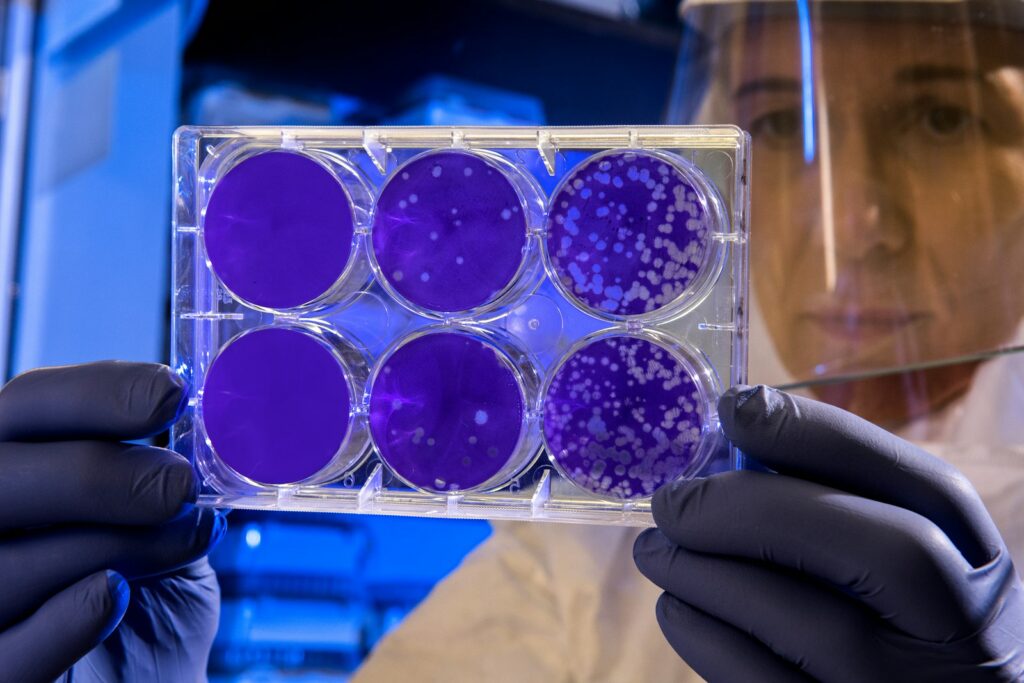
Eukaryotic cells—the foundation of all complex life—arose through what evolutionary biologist Lynn Margulis described as an “improbable endosymbiotic event” where one bacterium somehow took residence inside another without being digested, eventually becoming mitochondria. Biochemist Nick Lane’s detailed analysis shows this event was so extraordinarily unlikely it probably occurred just once in Earth’s history, roughly 2 billion years ago. This single cellular architecture breakthrough enabled multicellular complexity. Lane’s calculations demonstrate that without this specific innovation, organisms would be limited to bacterial complexity levels due to energy transport limitations. This represents an evolutionary bottleneck of staggering improbability.