13. DNA-Driven Historical “Recreations”
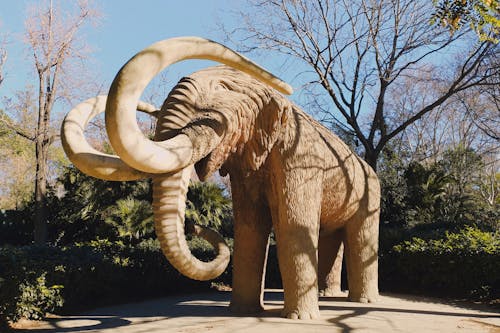
Advancements in DNA analysis have enabled scientists to reconstruct the likely appearance and, in some cases, the voices of ancient humans and extinct animals. For instance, researchers have sequenced the entire genome of the woolly mammoth, providing insights into its physical characteristics and evolutionary history. (time.com) Additionally, scientists have successfully reconstructed the 3D genome of a woolly mammoth using fossil chromosomes, offering further understanding of its biology. (nsf.gov)
In the realm of ancient human studies, researchers have utilized DNA analysis to study the remains of individuals like the Tianyuan man, an early modern human from China, to gain insights into the genetic makeup and evolutionary history of ancient populations. (en.wikipedia.org)
These DNA-driven reconstructions provide valuable insights into the physical traits and genetic relationships of ancient species and populations, enhancing our understanding of evolutionary biology and the history of life on Earth.