3. Living Cells Get Computing Power with Perceptein
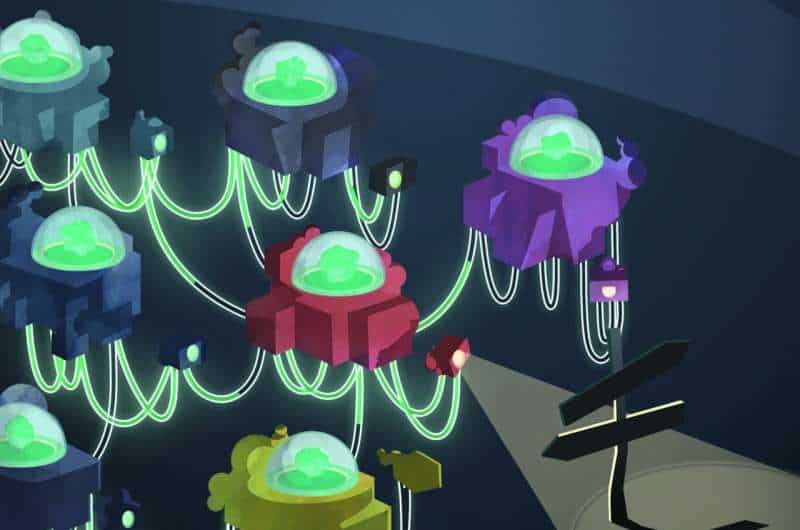
Scientists turned living cells into tiny computers by creating perceptein, a protein that works like a biological circuit board. This protein forms networks inside cells that can process information similar to how our brains work. The team got the idea by studying how neurons connect and communicate. In tests, cells with perceptein could perform simple calculations and respond to specific signals. The breakthrough points toward future medical treatments where smart proteins could detect disease and release medicine exactly where needed. Early experiments showed these cellular computers could handle basic pattern recognition tasks.