2. Cutaneous Respiration: Breathing Through Skin
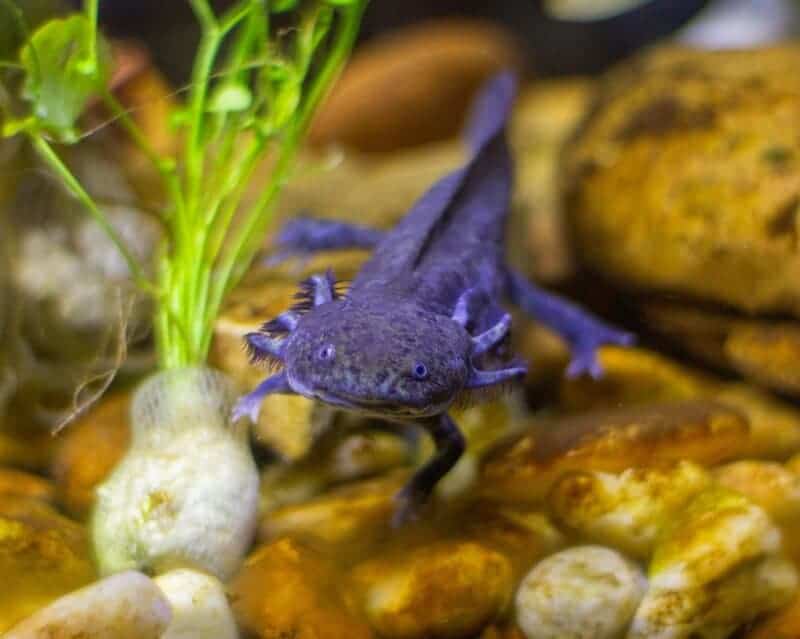
One of the most remarkable adaptations in amphibians is cutaneous respiration—breathing directly through the skin. Oxygen and carbon dioxide passively diffuse across their moist, permeable skin, allowing for efficient gas exchange even underwater. Some salamanders, like the axolotl, have lost their lungs entirely and rely solely on this method for survival. This adaptation enables amphibians to remain submerged for extended periods and thrive in diverse aquatic environments. It’s a striking example of how evolution tailors organisms to their habitats. Learn more