Mechanisms Behind Trained Immunity
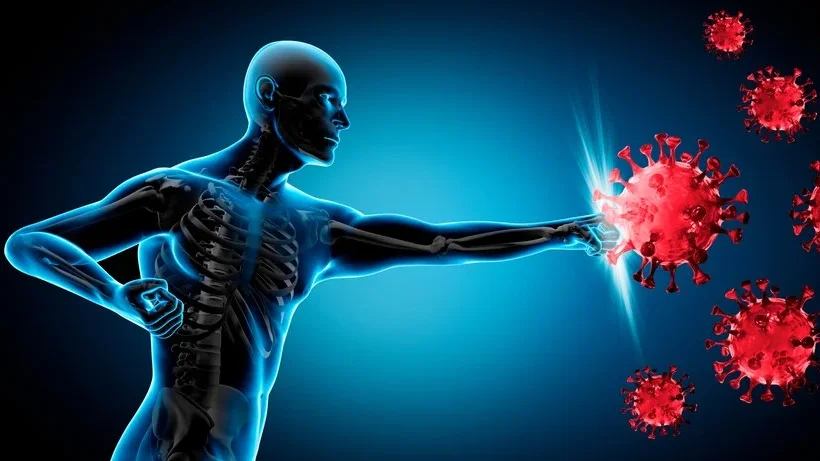
Trained immunity is driven by profound molecular and cellular alterations, primarily involving epigenetic modifications and shifts in cellular metabolism. Upon initial stimulation, innate immune cells undergo epigenetic remodeling, including changes in DNA methylation and histone modifications, which enhance the expression of genes associated with inflammatory responses.
Concurrently, metabolic rewiring occurs—shifting cells toward increased glycolysis and altered mitochondrial function—which sustains this heightened responsiveness. These metabolic alterations provide the energy and biosynthetic intermediates required for rapid and robust immune activation. Together, these epigenetic and metabolic adaptations equip innate immune cells with a memory-like function, enabling them to mount stronger defenses against future pathogenic threats.