
Some people carry every major genetic risk factor for Alzheimer’s disease and still reach their eighties and nineties with their minds largely intact. That paradox has long frustrated neuroscientists — and a convergence of recent research is offering the most compelling explanation yet: the brain possesses its own molecular defense system, and specific proteins appear to be its active ingredients. Three distinct lines of investigation — centered on the protein complex CRL5SOCS4, the immune protein TREM2, and a third neural protein still being characterized — suggest the brain maintains an internal shield against Alzheimer’s damage, one that scientists are now learning to strengthen.
Why a Natural Defense System Changes the Research Equation

Alzheimer’s disease affects more than 55 million people worldwide, a number projected to rise sharply as global populations age. Decades of research and billions of dollars in drug development have yielded only a handful of modestly effective treatments, most of which slow cognitive decline rather than prevent it. Against that backdrop, identifying a naturally occurring protective mechanism is significant — not because it offers an immediate cure, but because it reframes the central question scientists are asking.
For most of its history, Alzheimer’s research has concentrated on what goes wrong: the accumulation of toxic proteins, the death of neurons, the collapse of memory circuits. A newer and increasingly productive wave of science asks the opposite — what goes right in brains that resist damage? The answers emerging from laboratories in California, Barcelona, and elsewhere suggest the brain is not a passive victim of Alzheimer’s pathology. It fights back, and some brains fight back considerably harder than others.
What Alzheimer’s Actually Does to the Brain
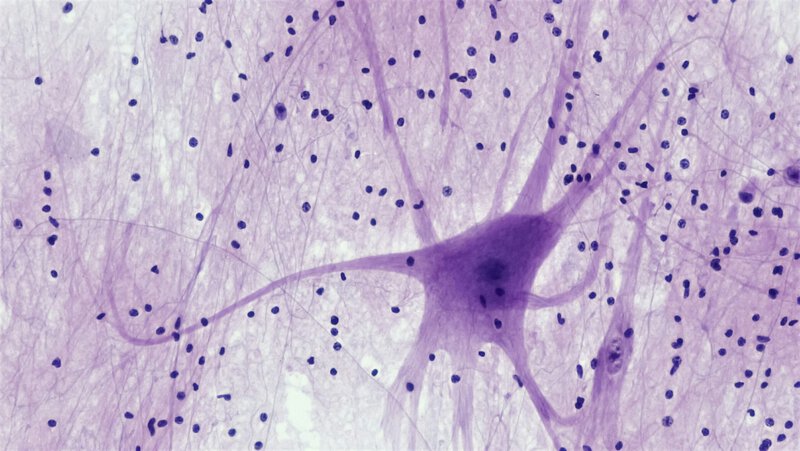
To appreciate why protective proteins matter, it helps to understand the damage they are working against. Tau is a protein that normally stabilizes the internal skeleton of neurons, providing the structural support cells need to transmit signals. In Alzheimer’s disease, tau misfolds and clumps into toxic tangles that strangle neurons from the inside, eventually killing them. Separately, sticky protein fragments called amyloid plaques accumulate between brain cells and disrupt the communication networks that underpin memory and cognition. Together, plaques and tangles are the two hallmark drivers of Alzheimer’s neurodegeneration — a framework known as the amyloid-tau cascade.
That model reflects established scientific consensus, but it is increasingly understood to be incomplete. The brain’s immune system and its waste-clearance machinery play critical, historically underappreciated roles in determining who develops symptoms and how quickly. A person’s genetic risk does not translate automatically into disease. What happens in the space between risk and outcome — the biological negotiation between damage and defense — is precisely what the new wave of protective-protein research is designed to decode.
CRL5SOCS4: The Brain’s Quality-Control Inspector
One of the most mechanistically detailed findings comes from research highlighted by UCLA Health, where scientists identified a protein complex called CRL5SOCS4 — short for Cullin-RING Ligase 5 with Suppressor of Cytokine Signaling 4 — that acts as a molecular tag-and-destroy system for defective tau. Think of CRL5SOCS4 as the brain’s quality-control inspector: it recognizes misfolded tau proteins, marks them with a molecular flag, and routes them to the cell’s internal recycling machinery through a process called ubiquitin-mediated proteasomal degradation. In plain terms, it identifies bad proteins and dispatches them to be dismantled before they can accumulate into the tangles that kill neurons.
The central implication flagged by UCLA Health researchers studying why some brain cells resist Alzheimer’s is that if scientists can find ways to boost or mimic CRL5SOCS4 activity, they may be able to protect neurons in people who are genetically predisposed to the disease — potentially even before symptoms appear. That would represent a meaningful shift from reactive treatment toward genuine prevention.
An important caveat applies: CRL5SOCS4’s mechanism has been characterized primarily in laboratory and preclinical settings. Whether boosting this complex’s activity is safe and effective in living humans remains an open question that requires rigorous clinical validation. The finding is promising and mechanistically credible, but it is not yet a therapy, and it should not be interpreted as one.
Evidence From People Who Beat the Odds
A separate line of investigation takes a different methodological approach — rather than studying disease progression, it studies resistance. Research reported by NPR in July 2024 described evidence that a protein produced naturally by certain brain cells may help ward off Alzheimer’s disease, with findings drawn partly from individuals who carried significant genetic risk but demonstrated unusual cognitive resilience throughout their lives.
The scientific logic behind studying these outliers is sometimes called resistance biology. By examining brains that should have developed Alzheimer’s but did not, researchers can reverse-engineer which biological factors provided protection — a strategy analogous to studying people who remain healthy after exposure to an infectious disease. Their biology may hold clues that benefit everyone.
The precise identity and full mechanism of this particular protein had not been comprehensively characterized in the peer-reviewed literature as of mid-2025, which places it firmly in the category of an emerging rather than established finding. Readers should look for follow-up studies that subject these observations to full scientific scrutiny. What makes the finding noteworthy even at this early stage is that it aligns with a growing body of research pointing toward glial cells — the brain’s non-neuronal support cells — as producers of protective factors that have been largely overlooked in research historically focused on neurons alone.
TREM2: The Immune Protein That Predicts Who Fares Better
The third piece of this emerging picture comes from immunology rather than structural biology. Research from the Barcelona Beta Brain Research Center found that high levels of TREM2 — Triggering Receptor Expressed on Myeloid cells 2 — predict a better prognosis in people already diagnosed with Alzheimer’s disease. Scientists at the Barcelona Beta Brain Research Center identified TREM2 as a key factor in determining how the disease progresses once it has taken hold.
TREM2 is expressed primarily on microglia — the brain’s resident immune cells — and it governs their ability to engulf and clear amyloid plaques and damaged cellular debris. If microglia are the brain’s cleanup crew, TREM2 is the dispatch signal that tells them to get to work. Patients with naturally higher TREM2 levels appear to experience slower cognitive decline, suggesting that robust immune activation is a meaningful therapeutic target — not merely as a side effect of plaque removal, but as a goal in its own right.
Scientific nuance matters here. TREM2 research is active and some aspects remain genuinely contested. While the protein’s protective association is supported by multiple independent research groups, the optimal level of microglial activation is a subject of ongoing debate. Too little immune activity allows plaques and debris to accumulate unchecked; too much produces chronic neuroinflammation that itself damages brain tissue. Identifying a safe therapeutic window — if one exists — will be one of the field’s central challenges in the years ahead.
What These Three Proteins Share — and Why It Matters
Taken individually, each of these findings is intriguing. Taken together, they outline something more significant: a picture of the brain as an active defender against its own deterioration. CRL5SOCS4 operates within the cell’s protein waste-clearance system. The third neural protein appears to confer cellular resilience through a mechanism still being characterized. TREM2 coordinates immune surveillance and debris removal. All three are endogenous — generated by the brain itself, not introduced from outside — and all three appear to operate earlier in the disease process than most existing drug treatments target.
This convergence is gradually shifting research strategy across the field. Rather than exclusively trying to block toxic processes — the approach behind most of the amyloid-targeting drug trials that have failed in human studies over the past two decades — a growing number of scientists are asking how to amplify the brain’s own protective toolkit. The distinction is not semantic: blocking damage and boosting defense are different biological problems, and they are unlikely to require the same solutions.
For individuals concerned about their own Alzheimer’s risk, researchers consistently emphasize that lifestyle factors known to support these same biological systems — regular aerobic exercise, restorative sleep, and dietary patterns that limit chronic inflammation — have established, if modest, evidence bases in the existing scientific literature. None of the protein discoveries described here yet translate into a pill, supplement, or clinical intervention that a physician can prescribe. The gap between a promising laboratory discovery and an approved therapy is typically measured in years to decades, not months.
The Road From Laboratory to Clinic
The most immediate research priorities include developing small-molecule drugs or gene-therapy approaches capable of safely enhancing CRL5SOCS4 activity or TREM2 signaling in humans without triggering harmful immune side effects. Both objectives are technically demanding, and neither has a clear timeline to clinical application.
A parallel and arguably equally important goal is biomarker development. If blood tests or cerebrospinal fluid analyses can reliably measure levels of protective proteins in living patients, clinicians could one day identify high-risk individuals whose natural defenses are running low — and intervene before symptoms emerge. This concept, sometimes called presymptomatic neuroprotection, would represent a fundamental change in how Alzheimer’s prevention medicine is practiced.
Experts across the field counsel realism about the path ahead. The Alzheimer’s research landscape includes many preclinical findings that generated genuine scientific excitement and then failed to replicate their promise in human trials. Rigorous, large-scale clinical studies conducted across diverse populations are essential before any protein-based strategy can responsibly be recommended as a prevention or treatment approach. The history of the field demands nothing less.
The honest takeaway from the current state of this research is cautious optimism grounded in early but credible evidence. The discovery that the brain maintains multiple natural defense systems against Alzheimer’s damage — spanning protein waste clearance, cellular resilience, and immune surveillance — is scientifically meaningful and opens genuinely new therapeutic avenues. It does not promise a cure around the corner. What it does suggest is that the brain, for all its vulnerability to this devastating disease, is not without resources of its own — and that understanding those resources, and learning to support them, may ultimately prove as consequential as any drug yet developed.