
Inside cave-preserved bone fragments from ancient bison discovered in caves across Europe, scientists found a molecular fingerprint that had been hiding in plain sight for decades — one that clarifies how cattle genes quietly infiltrated the modern American bison genome and, more importantly, what conservationists can do about it now. By sequencing 115 ancient bison genomes alongside 45 modern bison genomes, spanning roughly 20,000 years of evolutionary history, researchers have assembled one of the largest paleogenomic datasets ever constructed for a single large mammal. The findings are already reshaping how managers decide which bison to breed, which herds to relocate, and how to reconnect isolated populations before genetic erosion becomes irreversible.
Why Ancient DNA Changes the Conservation Equation
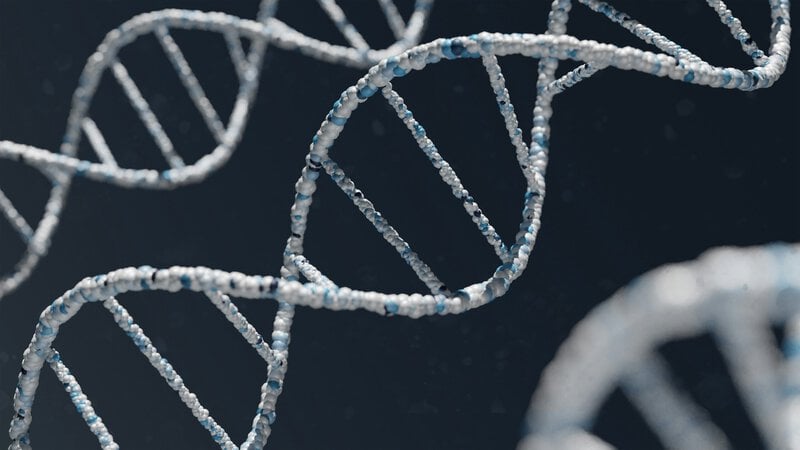
Paleogenomics — the science of extracting, sequencing, and interpreting genetic material from archaeological or fossil specimens — allows researchers to read evolution as it actually happened, rather than inferring it backward from living animals alone. That distinction matters enormously for conservation. A modern genome is a single snapshot; a collection of ancient genomes is a time-lapse film, revealing which genetic variants rose, fell, or disappeared across millennia in response to climate shifts, population crashes, and human pressure. Biologists working only from today’s herds are essentially trying to reconstruct a novel by reading its final paragraph.
The technical obstacles are formidable. Ancient bone DNA degrades into short, chemically damaged fragments that require specialized laboratory protocols and sophisticated computational methods to reconstruct into reliable sequences. Successfully sequencing 115 specimens spanning 20,000 years is a significant methodological achievement — one that places this work at the leading edge of a field that has already rewritten much of human prehistory. Paleogenomics research is now overturning earlier assumptions about the complex history of bison — assumptions that, until recently, quietly guided conservation policy without anyone fully recognizing how incomplete the picture was.
What 115 Ancient Genomes Actually Revealed
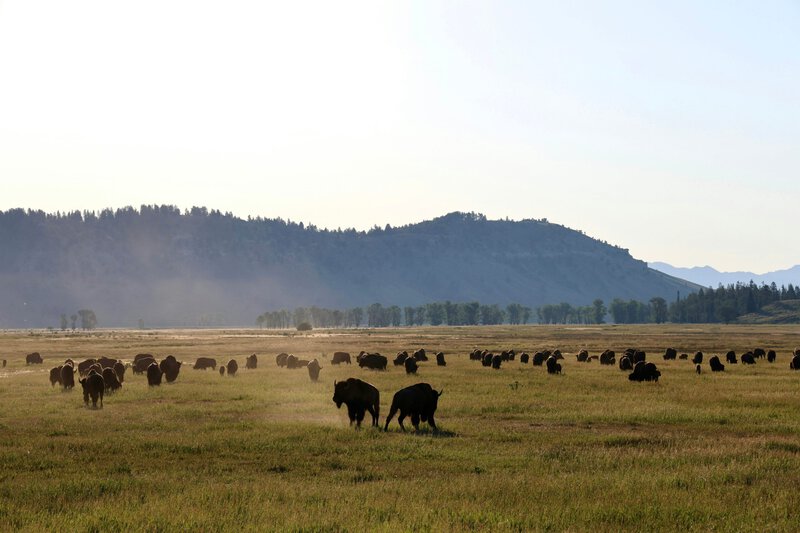
The headline finding is both reassuring and sobering: bison populations before the commercial hunting era were more genetically diverse than previously assumed. Before mass slaughter collapsed the species in the 19th century — reducing an estimated 30 to 60 million animals to fewer than 1,000 survivors — the bison gene pool was richer and more resilient than modern herds alone would suggest. Genetic diversity functions as a kind of biological insurance for a species, providing the raw variation that allows populations to adapt to disease, drought, and shifting ecosystems. Low diversity is not an immediate death sentence, but it is a slow-motion vulnerability, narrowing the evolutionary options available when conditions change.
The ancient genome dataset also illuminated a long-suspected but poorly quantified problem: cattle ancestry in modern bison. The presence of cattle genes in many contemporary herds is established scientific consensus, the result of crossbreeding experiments conducted as bison teetered on the edge of extinction in the late 1800s. What was not previously possible was tracing the pathway and timing of that hybridization with precision — information that is simply invisible without an ancient genetic baseline for comparison. Scientists are careful to distinguish between detecting the presence of foreign ancestry and determining its biological consequences, which remain an active and genuinely contested area of research.
The Cattle Problem: How Foreign Genes Entered the Herd
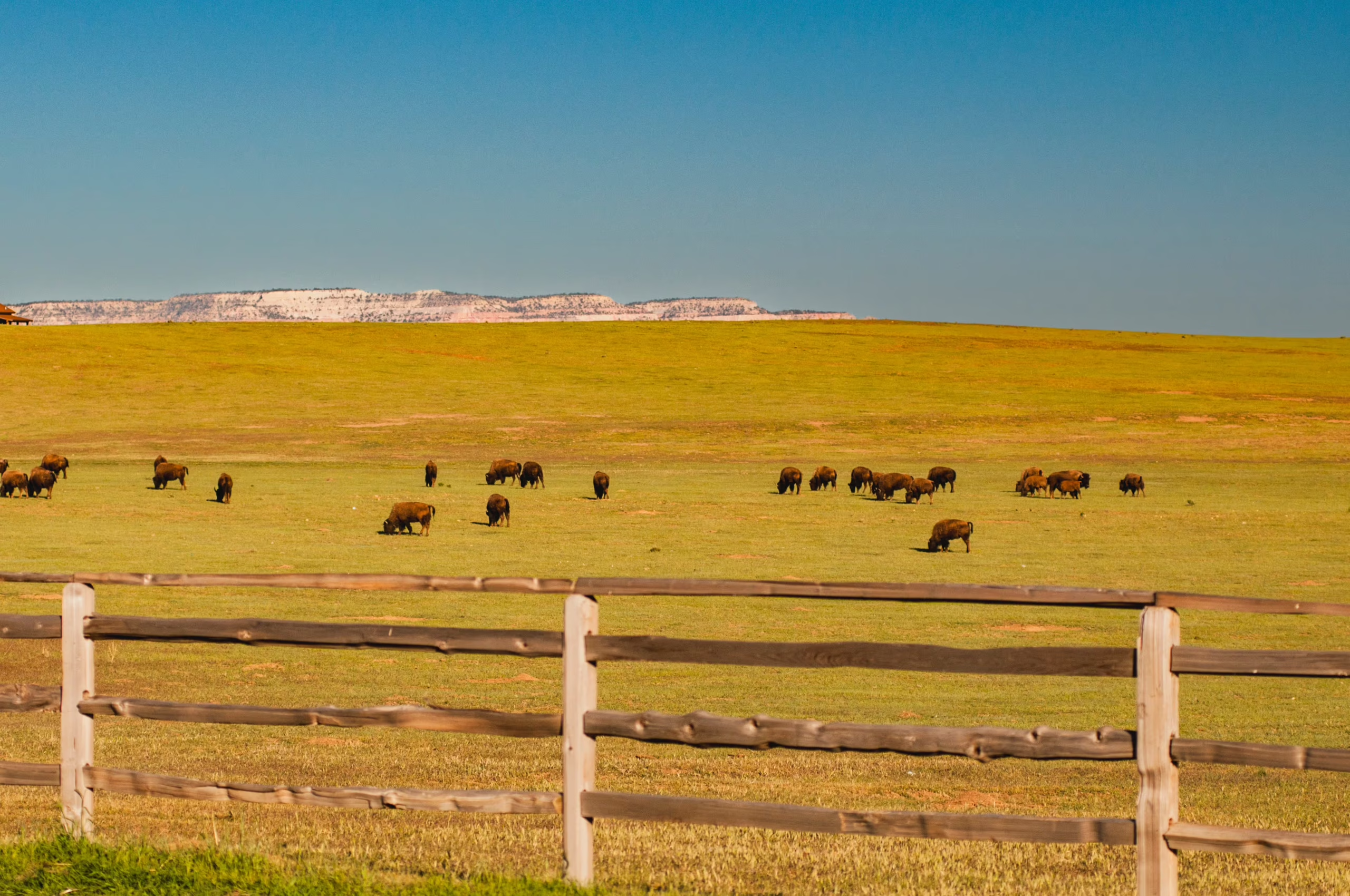
The historical context is essential. As bison were hunted toward extinction, ranchers and early conservationists — acting with the best knowledge available to them — crossbred survivors with domestic cattle in an effort to stabilize dangerously small herds. The genetic consequences of those decisions persist today. Many prominent bison herds in North America carry at least some proportion of cattle ancestry, a fact that has complicated breeding programs ever since.
The new ancient genome dataset enabled a computational technique called local ancestry inference — a method that examines a modern animal’s genome segment by segment, identifying which portions descend from bison lineages and which from cattle. By anchoring that analysis to a pre-contact ancient baseline, researchers can screen living animals with far greater confidence than was previously possible. The research team made their dataset publicly available in a format that enables local ancestry inference of bison genomes for detecting cattle ancestry, meaning wildlife managers can now apply the ancient baseline to their own herds without repeating the original resource-intensive sequencing work.
Conservationists are appropriately cautious, however, about how this tool gets used. Cattle introgression does not automatically disqualify a herd from conservation value. Treating genetic purity as the sole metric risks sidelining equally important considerations: population size, habitat connectivity, behavioral adaptation, and the sovereign interests of the many Indigenous nations for whom bison carry deep cultural, spiritual, and legal significance. Genomic data is a powerful decision-support tool — not, by itself, a decision-maker.
It is also worth noting that the extent of cattle introgression in modern bison is sometimes overstated in popular accounts. Not all herds carry significant cattle ancestry, and the degree varies considerably across populations. Ancient DNA now makes it possible to draw those distinctions with meaningful accuracy — a calibration that matters when the findings directly influence which animals get moved and which herds receive investment.
Reading 20,000 Years of Population History
The 20,000-year window captured in this dataset is not arbitrary. It spans the end of the last Ice Age, the extinction of competing megafauna including woolly mammoths and giant ground sloths, dramatic vegetation shifts across North America, and the long presence and expansion of Indigenous human populations — all forces that left legible marks on bison genetics. Reading those marks requires understanding a process called genetic drift: as populations shrink, rare gene variants are lost by chance, not because they are harmful, but simply because small groups cannot preserve every variant the way large ones can. Ancient genomes let researchers reconstruct those losses in sequence, producing a demographic history written in nucleotides rather than inferred from fossils and ecology alone.
The finding that historical bison harbored greater-than-expected diversity implies that some of that ancestral adaptive potential may still exist in fragmented form across today’s isolated herds — dispersed and diminished, but not entirely gone. Reconnecting those herds, guided by genomic data, offers a plausible path toward recovering a meaningful portion of what was lost. Researchers are careful, however, to distinguish between broad demographic trends — which the 115-genome dataset supports robustly — and precise numerical population estimates, which carry wider statistical uncertainties inherent to the demographic modeling methods involved.
From Ancient Bones to Modern Conservation Decisions

The practical application of this research is direct. The study is aimed explicitly at informing the reconnection of isolated bison populations, and the ancient genome data provides a historically grounded roadmap for doing so. Rather than moving animals between herds based primarily on geography or logistics, managers can now identify which modern populations carry rare or ancestrally significant genetic variants — and combine them strategically through a process called genetic rescue, deliberately introducing new animals to restore variation that isolation has eroded.
This is not a theoretical exercise. Bison is a keystone species: its grazing behavior shapes grassland structure, influences soil composition, and drives plant diversity across the Great Plains in ways that cascade through entire ecosystems. A genetically healthy bison population does not merely preserve a charismatic animal — it sustains the ecological architecture that hundreds of other species depend on. The stakes of getting the genetics right extend well beyond bison themselves.
The methodological template established here is also directly transferable to other large mammals facing analogous crises. Using large ancient-genome datasets to set a pre-collapse genetic baseline, identify hybridization events, and inform targeted breeding decisions could benefit conservation programs for wide-ranging species from wolves to wild cattle relatives. Each application begins with the same fundamental move: extending the genomic record back far enough to see what was present before the collapse occurred.
Limitations and What Comes Next
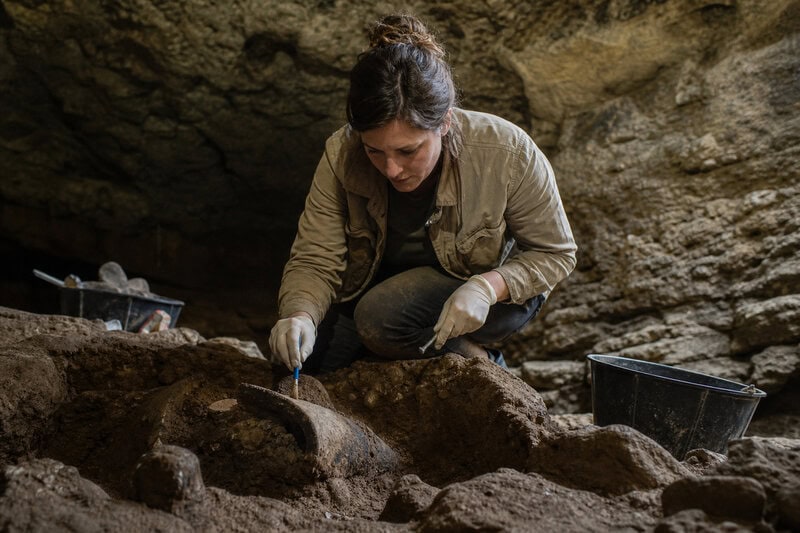
One significant gap deserves direct acknowledgment. The majority of the 115 ancient genomes in this study were drawn from specimens recovered in European cave deposits, which have a long tradition of excavation and favorable preservation conditions. Sequencing additional ancient specimens from North American archaeological sites would sharpen the picture of bison genetic history precisely where modern conservation decisions are most urgent. North American paleogenomic sampling is improving, but it currently lags behind what European collections have yielded, and that geographic imbalance means some regional nuances in pre-collapse North American bison diversity remain incompletely resolved.
That limitation does not diminish what has already been accomplished. The ancient genome baseline now exists, it is publicly accessible, and it is already being used to make better decisions for living herds. Two decades of ancient DNA research have taught biologists that the past is not merely prologue — it is a data archive. For the American bison, that archive is now open, and the information inside it is overdue.