The myth is that it is feasible for a soda can to be contaminated with rat urine and subsequently transmit deadly viruses to humans.
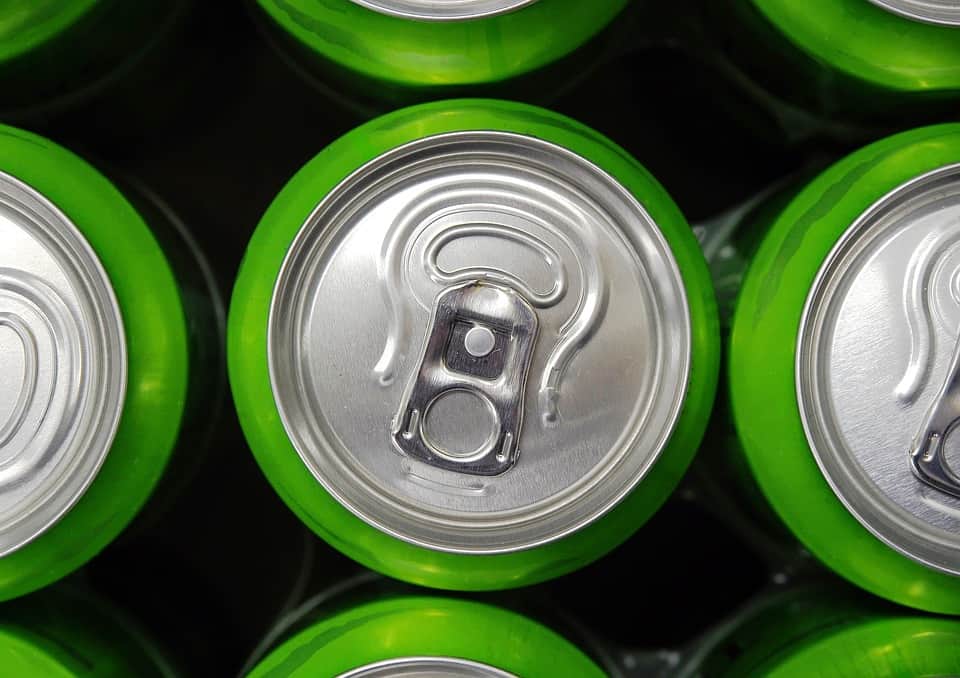
In this day in age, everyone is cautious about health, especially related to deadly viruses and how they are transmitted. To create a control sample, the Mythbuster team spread out 1,000 aluminum soda cans, cleaned the cans’ top surfaces, and then released 40 rats to walk on them for about 90 minutes. Following the 90 minutes, the cans were viewed under a black light that clearly showed that many became contaminated with rat urine. Next, they collected 1,000 cans from a variety of locations across San Francisco. Viewing those collected cans under a black light revealed that most of them also had organic substances on them, but it was not clear what those substances were.

To find out what was on the cans, the team took sample swabs and sent them to UC Berkeley. There, a mass spectrometer was used to identify the chemical compounds. As expected, the control contained 15 proteins that indicated rat urine. However, the test sample did not have any compounds exhibiting rat urine. Furthermore, a professor of epidemiology at UC Berkeley explained that any dangerous viruses in rat urine would not survive on the exposed tops of aluminum cans. To be safe, wipe down the tops of your aluminum soda cans before consuming them! You should always keep the spray disinfecting for cleaning any surfaces that may come in contact with germs. Keep reading to learn about how Mythbusters had some of the best episodes ever!