Do people who fall into water sustain the same injuries as someone who falls on the pavement?
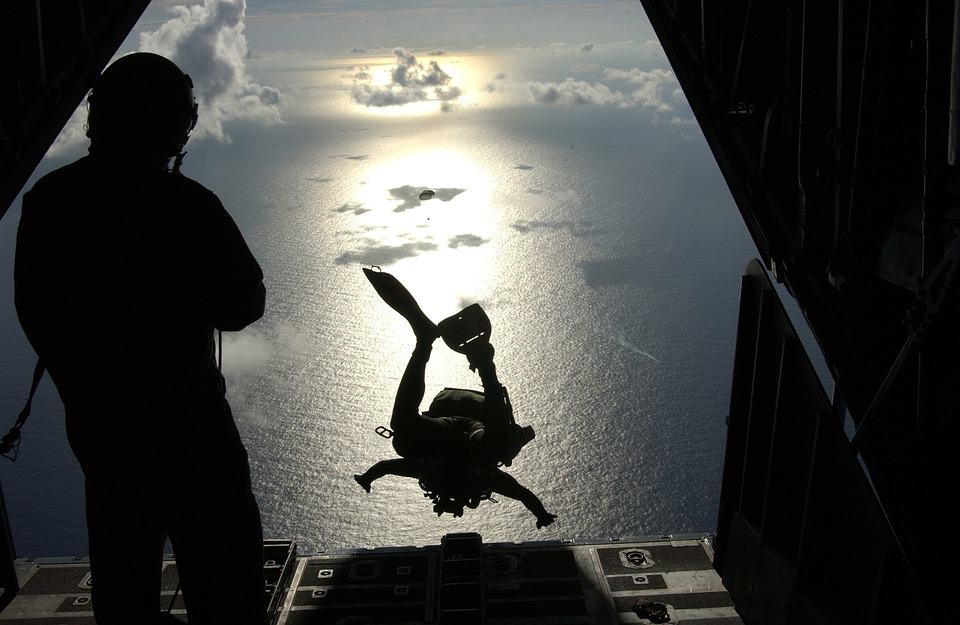
The myth is that a person falling from a great height into water will sustain the same injuries as if they had landed on the pavement. The build team fitted their test dummy with accelerometers, hauled him up with a construction crane, and dropped him feet-first into pavement and water. Drops from 25 feet gave g-force measurements of 60 g on the pavement but less than 25 g on water. To investigate the effect of body orientation on impact forces, the team did more drops with the test dummy in a belly-flop position. Pavement and water drops from 50 feet maxed out on the testing instrument on pavement and registered 220 g on water.

For a final test at a terminal velocity of approximately 120 miles per hour, two pig carcasses were thrown out of a helicopter at 600 feet. After they were x-rayed to determine injuries. The pavement drop resulted in 17 fractures, a shattered pelvis, and a decapitation. On the other hand, the water drop yielded seven fractures and a broken neck. Since no water landing had produced the same level of impact force or injury as a fall from the same height onto the pavement, the myth was declared busted. Basically, you can still get hurt, but not in the same ways. A pavement impact does seem more severe than a water one. However, both sustained injuries.