
NASA is recruiting a new class of astronauts — and for the first time in history, the job description includes actually living on the Moon. The physiological demands of that assignment are as extraordinary as the mission itself, which is precisely why the agency needs volunteers willing to find out what extended lunar habitation does to the human body.
NASA Is Hiring — and the Job Is Unlike Any Other in History
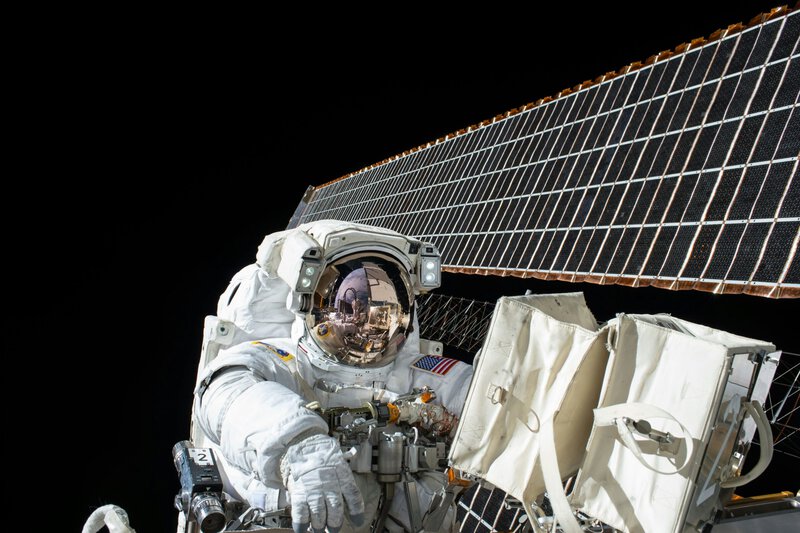
Applications for NASA’s next astronaut class are open now, with a deadline of 3 December. This is not a standard recruitment cycle. NASA is explicitly seeking candidates who would live and work on the Moon as part of a future lunar base — a permanent human outpost beyond Earth that has never existed before.
Selected recruits could become the first humans in history to establish an enduring presence on the lunar surface, laying the operational and scientific groundwork for eventual crewed missions to Mars. NASA describes these candidates as the next generation of explorers who can ‘shape humanity’s future in space’ — language that reflects not just ambition, but a concrete programmatic timeline.
What NASA Is Actually Asking Volunteers to Do
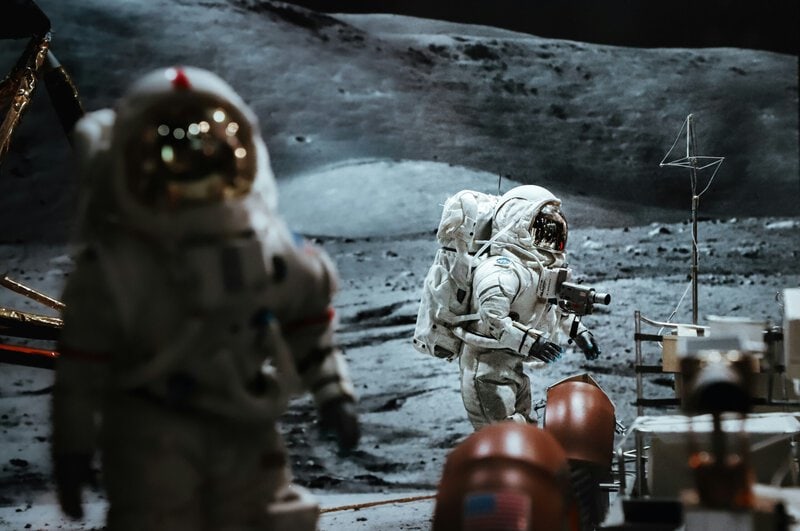
The role being advertised blends test piloting, scientific research, construction, and survival in one of the most hostile environments imaginable. Unlike the Apollo astronauts, who visited the Moon for days at a time, these recruits would inhabit a lunar base for extended periods — an entirely new category of human spaceflight with no direct precedent.
Recruits will train to operate on the lunar surface, live and work beyond Earth, and take on missions that reach further into deep space. The candidates selected now are timed to align with Artemis programme milestones, meaning some could be on the Moon before the decade is out.
The qualifications NASA requires and full application details are publicly available for anyone wondering whether they might be eligible. Requirements include a master’s degree in a STEM field, at least two years of relevant professional experience, and the ability to pass NASA’s rigorous physical examination.
The Moon Is Trying to Kill You: Radiation Exposure Explained

Earth is protected by a magnetic field and a thick atmosphere that deflect and absorb the most dangerous forms of space radiation. The Moon has neither. The lunar surface is continuously bombarded by galactic cosmic rays — high-energy particles streaming in from outside the solar system — as well as sudden, intense solar particle events triggered by flares on the Sun.
Lunar radiation exposure for astronauts would reach levels significantly higher than those experienced by crews aboard the International Space Station, which at least benefits from partial shielding within Earth’s magnetosphere. Long-term consequences include elevated cancer risk and accumulating damage to neural tissue that may not manifest clinically until months after exposure.
Solar flares pose a particularly acute danger. They can deliver dangerous radiation doses with very little warning, making real-time monitoring systems and hardened radiation shelters not engineering luxuries but life-or-death necessities. These risks are among the most difficult to solve precisely because they cannot be fully characterised on Earth or in low Earth orbit — only direct lunar habitation will generate the longitudinal data needed.
What Low Gravity Does to the Human Body Over Time

The Moon’s gravitational pull is roughly one-sixth of Earth’s. In the short term, reduced gravity eases physical effort. Over months, however, its effects on the body compound into medically serious problems.
- Bone density loss: When bones are no longer bearing full weight, they shed mineral density at an accelerated rate. Fracture risk rises, and returning to Earth’s gravity becomes physically punishing without aggressive countermeasures.
- Muscle atrophy: Leg and core muscles weaken without the constant resistance of normal gravity. Astronauts aboard the International Space Station already require hours of daily exercise to slow this process — lunar residents would face the same demand under more uncertain conditions.
- Cardiovascular restructuring: In reduced gravity, bodily fluids shift toward the head, and the heart gradually reduces its output because it no longer needs to pump against the same gravitational load. Over time, the cardiovascular system adapts in ways that make readjustment to Earth a significant physiological challenge upon return.
No human has ever remained on the Moon long enough to generate meaningful longitudinal data on these effects. The first long-duration lunar residents will, by necessity, also be the first real subjects of that research.
Dust, Darkness, and Psychological Pressure
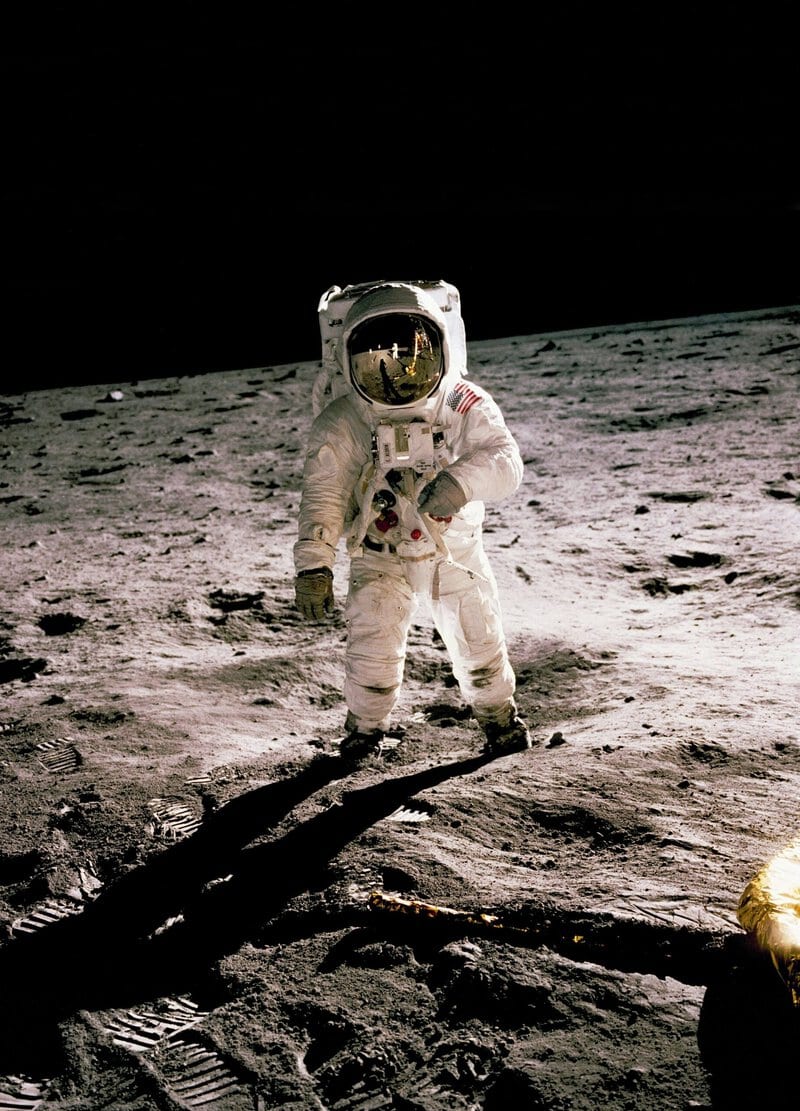
Radiation and gravity are not the only threats. Lunar regolith — the fine particulate covering the Moon’s surface — is chemically reactive, microscopically sharp, and electrostatically charged. It clings to suits, equipment, and habitat surfaces, and proves extraordinarily difficult to contain. If inhaled in quantity, it poses serious risks to the respiratory system. Engineers are still working on effective mitigation strategies.
The light cycle presents an equally disorienting challenge. A lunar day lasts approximately 29 Earth days, meaning base inhabitants could face roughly two weeks of continuous darkness followed by two weeks of unrelenting solar glare. The resulting disruption to circadian rhythms, sleep quality, and mood regulation would be sustained and profound.
Psychologically, the pressures of confinement, isolation, and the knowledge that home is approximately 240,000 miles away — with no rapid return possible — create stressors that no Earth-based simulation has fully replicated. Cognitive performance under prolonged stress, interpersonal dynamics in confined quarters, and mental health management in deep isolation are all active areas of NASA research. The health risks of a Moon base are not purely physical.
Why NASA Needs Human Volunteers Right Now
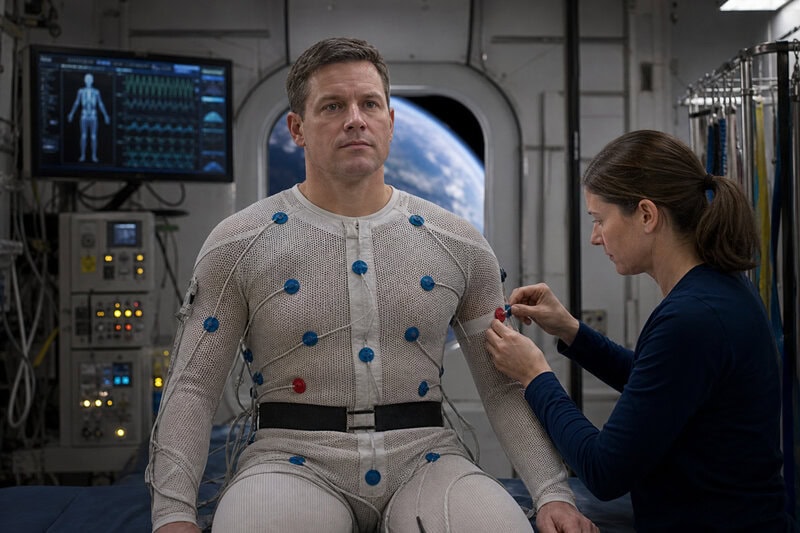
Many of the most critical questions about long-duration lunar living cannot be answered by robots, simulations, or existing spaceflight data alone. They require human bodies in that environment over sustained periods. NASA’s current recruitment is explicitly timed to the Artemis programme’s lunar ambitions, making the 3 December deadline more than administrative — it is a fixed point on a trajectory that leads, if the programme holds, to humans living beyond Earth within this decade.
The data generated by the first lunar residents will directly inform the design of life-support systems, radiation shelters, medical protocols, and exercise regimens — not only for the Moon but for future Mars missions. Every answer found on the lunar surface removes an unknown that would otherwise confront the first crews heading to the red planet.
The Bigger Picture: What a Moon Base Changes for Humanity
A permanent lunar base would represent the first time in human history that our species has maintained a continuous presence beyond Earth. The scale of that milestone is difficult to overstate. In civilisational terms, it is comparable to the first sustained ocean crossings that connected continents and permanently expanded the boundaries of what humanity could do and become.
The recruits selected from this application cycle could personally bridge the gap between an Earth-bound humanity and a genuinely multi-planetary species. If you have ever asked what it would actually take to live on the Moon, NASA is now making the answer explicit — and the first step is submitting an application before 3 December.