Faraday Could Not Be Stopped In 1831 Part 1
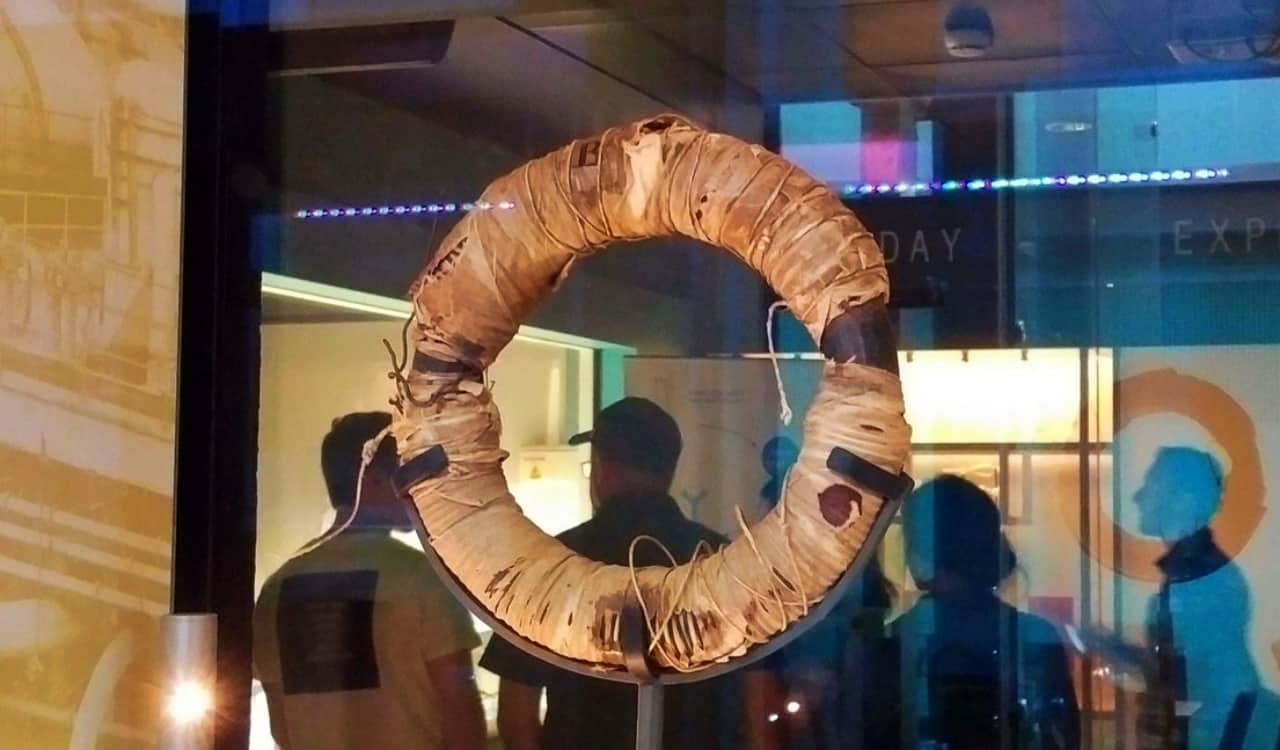
While working with Charles Wheatstone on the Theory of Sound in the Spring of 1831, Faraday became fascinated by Chladni Figures. These are formed by light power when spread on iron plates. A violin bow, at the time, used vibration on a nearby plate to make the powder turn into art on another. Faraday was invested in the static effect involved in this, which he felt occurred in a current-carrying wire.
This concept in acoustic induction helped Faraday figure out, perhaps, his most famous experiment. On August 29, 1831, Faraday wound up a thick iron ring on one side with an insulated wire that was connected to a battery. On the opposite side, he connected a wire to a galvanometer. He expected a wave of current would be produced when the battery circuit was closed. Then the wave would show up as a deflection of the galvanometer in the second circuit.
Instead, the galvanometer needle jumped. A current had been induced in the secondary coil by one in the primary. Apparently, turning off the current also created a current that was equal and even opposite to the original current, in the secondary. Faraday discovered “mutual induction.” The Royal Institution still has the iron ring on display to this day!