
In 2024, the fossil fuel industry spent more than $150 million lobbying the federal government — and a significant portion of that effort targeted the very agencies that decide which scientific research gets funded. Most Americans assume energy science follows the evidence wherever it leads; researchers who study the funding pipeline increasingly document something more complicated.
The Invisible Hand Shaping What Gets Studied — and What Doesn’t

Science is supposed to be self-correcting: publish findings, survive peer review, revise when evidence demands it. But that process assumes the questions being asked were chosen freely. When industry lobbying quietly redirects research priorities before a single experiment begins, the self-correction mechanism never gets a chance to engage.
Idaho voters sit at a crossroads that illustrates this dynamic clearly. The state’s energy future is being shaped in lobbying offices far from Boise — through decisions about which university partnerships get funded, which utility regulations get softened, and which federal grant priorities get rewritten. Transparency tools already exist to start pulling back the curtain, but only if citizens know to demand them and understand what they are looking at when they do.
Understanding how researchers trace fossil fuel lobbying’s influence on science funding is not a topic reserved for policy specialists. It is civic knowledge, and in a state with consequential energy decisions pending, it is increasingly urgent for ordinary voters to acquire it.
How Lobbying Influence on Science Actually Works
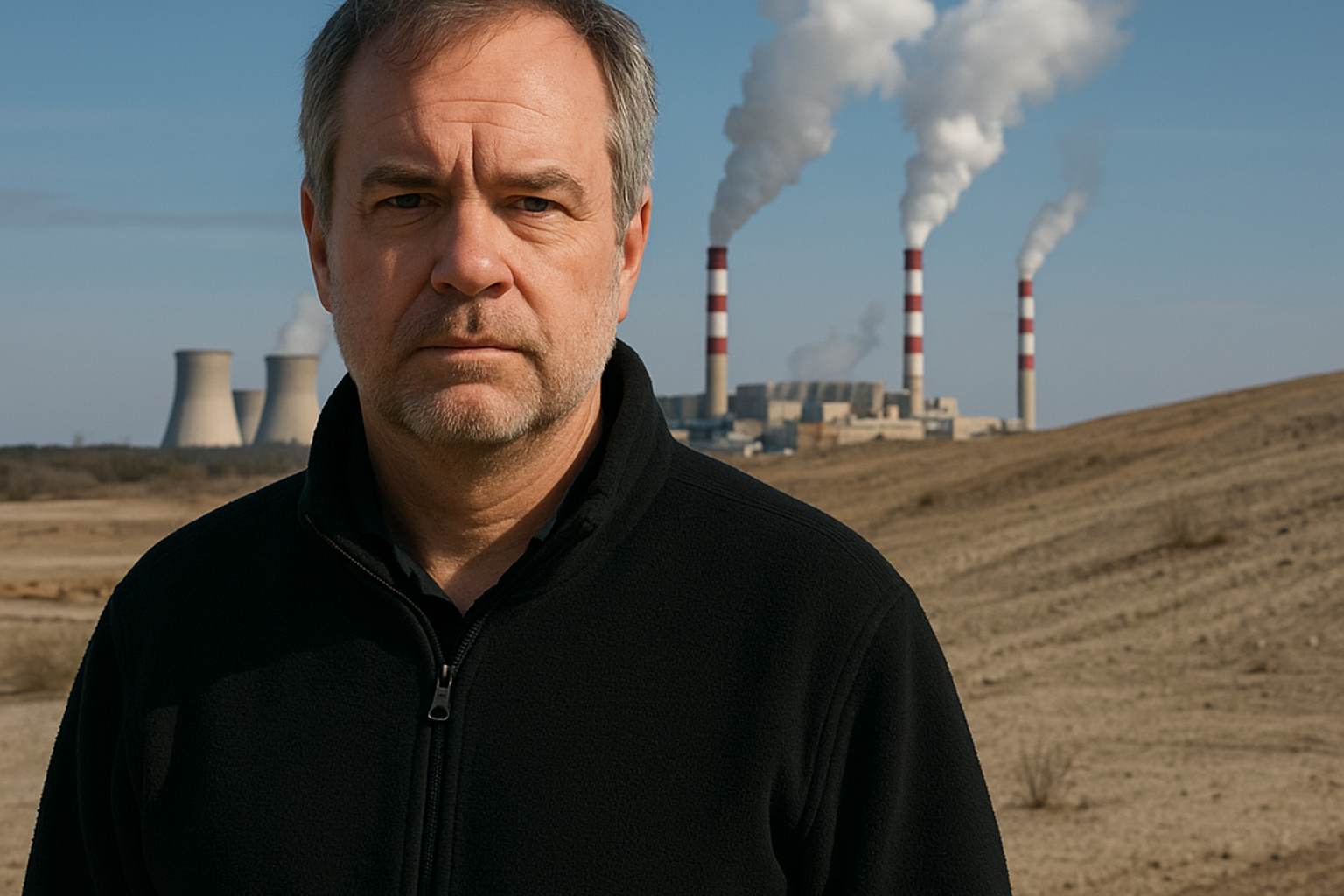
Lobbying influence on research funding does not typically arrive as a phone call telling a scientist what conclusions to reach. It operates through structural channels that are individually mundane and collectively powerful:
- Direct campaign contributions that shape which legislators oversee federal research agencies and set their budget priorities, determining which scientific questions receive public dollars in the first place.
- Think-tank grants that fund policy-friendly analysis and position it as independent expertise during regulatory hearings, often without clear disclosure of the funding source.
- University endowments and research partnerships that create ongoing financial relationships between academic institutions and energy companies, sometimes shaping how research questions are framed before data collection begins.
- Revolving-door hiring of former agency officials who understand grant-review processes from the inside and can help industry clients navigate — or quietly influence — them.
Researchers distinguish between what might be called “loud” influence — public testimony, PAC donations, visible political advertising — and “quiet” influence: steering grant-review panels, funding industry-aligned journals, and placing researchers with undisclosed ties onto editorial boards. Industry money linked to elected officials has been connected to securing subsidies, weakening environmental regulations, and slowing clean energy competition, all while emissions continue to climb. The quiet register is where the most consequential influence operates — and that is precisely what makes citizen oversight so essential and so difficult to sustain.
The Toolkit: How Researchers Follow the Money

Tracing fossil fuel lobbying’s influence on science requires layering multiple investigative methods, because no single database tells the full story. Each approach has distinct strengths, and their combined picture is considerably more revealing than any one of them alone.
Bibliometric analysis maps co-authorship networks and funding acknowledgments across published research. By aggregating which research clusters receive disproportionate industry dollars and how their conclusions trend over time, analysts can identify statistical patterns that individual papers obscure. When a field’s most-cited studies consistently reach industry-favorable conclusions and share the same funding sources, that pattern is a data point worth examining — even when each individual study appears methodologically sound in isolation.
Lobbying disclosure databases provide a paper trail of who paid whom and when. At the federal level, these records are searchable through public filings. At the state level, Idaho’s Secretary of State maintains a Lobbyist Registration and Reporting System with requirements that apply to all registered lobbyists regardless of their level of financial activity — a structural asset that is currently underused as a civic resource by journalists, advocates, and ordinary voters alike.
Investigative journalism frameworks have formalized this work into a recognized reporting discipline. The Global Investigative Journalism Network has published guides treating fossil fuel lobbying as a distinct investigative beat, noting that the image of powerful industry lobbyists shaping policy in capitals around the world reflects a documented, traceable phenomenon — not mere perception or ideological grievance.
Corporate document archives, obtained through litigation or Freedom of Information Act requests, have proven especially revealing. Internal memos have shown instances where companies privately acknowledged climate risks they were simultaneously disputing in public forums — a gap between private knowledge and public messaging that bibliometric data alone could never have surfaced. These documents are often what transforms a pattern of circumstantial evidence into a clear, attributable record of intent.
Dark Money and the Funding Maze That Obscures Industry Influence
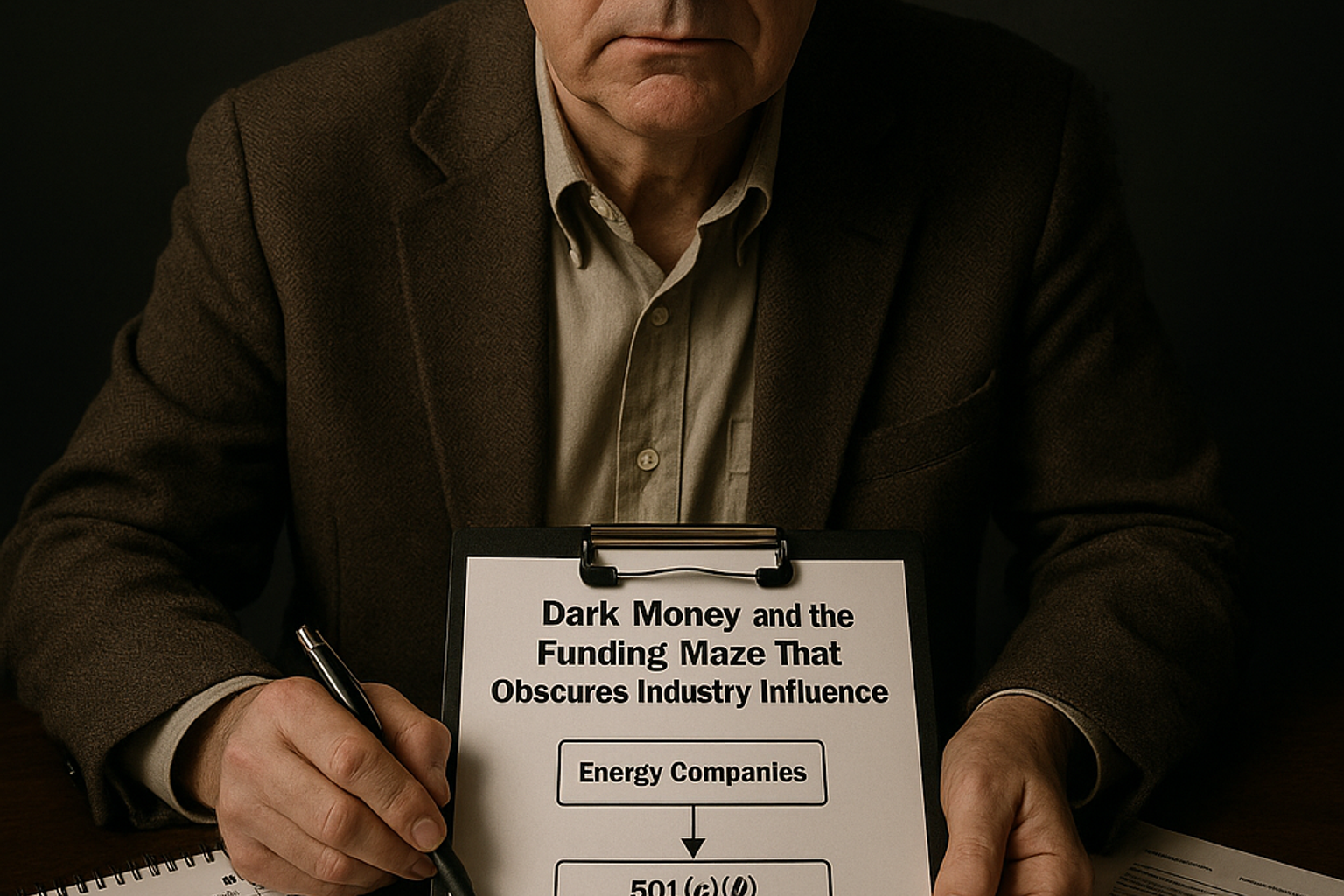
The most opaque channel for fossil fuel lobbying influence on science runs through a layered nonprofit structure. Energy companies donate to 501(c)(4) “social welfare” organizations, which are not required to publicly disclose their donors. Those organizations then fund think tanks that produce policy research. By the time a report reaches a legislative hearing, its connection to its original funder may be completely invisible to everyone in the room — including legislators who cite it as independent evidence.
Connecting a research conclusion back to an oil company requires cross-referencing tax filings, lobbying reports, and grant databases simultaneously. That painstaking work has given rise to energy policy transparency research as a recognized sub-discipline. Academic groups are now building open-access databases that aggregate these disparate records into searchable influence maps, giving journalists and advocates the infrastructure to do sustained watchdog work rather than isolated one-off investigations that vanish from public attention.
Idaho’s lobbying reporting requirements — which apply regardless of a lobbyist’s level of financial activity — represent a meaningful local advantage in this landscape. If those filings were regularly scrutinized by local journalists and civic groups the way school budgets or municipal contracts are covered, conflicts of interest that currently never make headlines could become a routine part of the public record rather than an occasional discovery.
Why Idaho Is a Telling Case Study
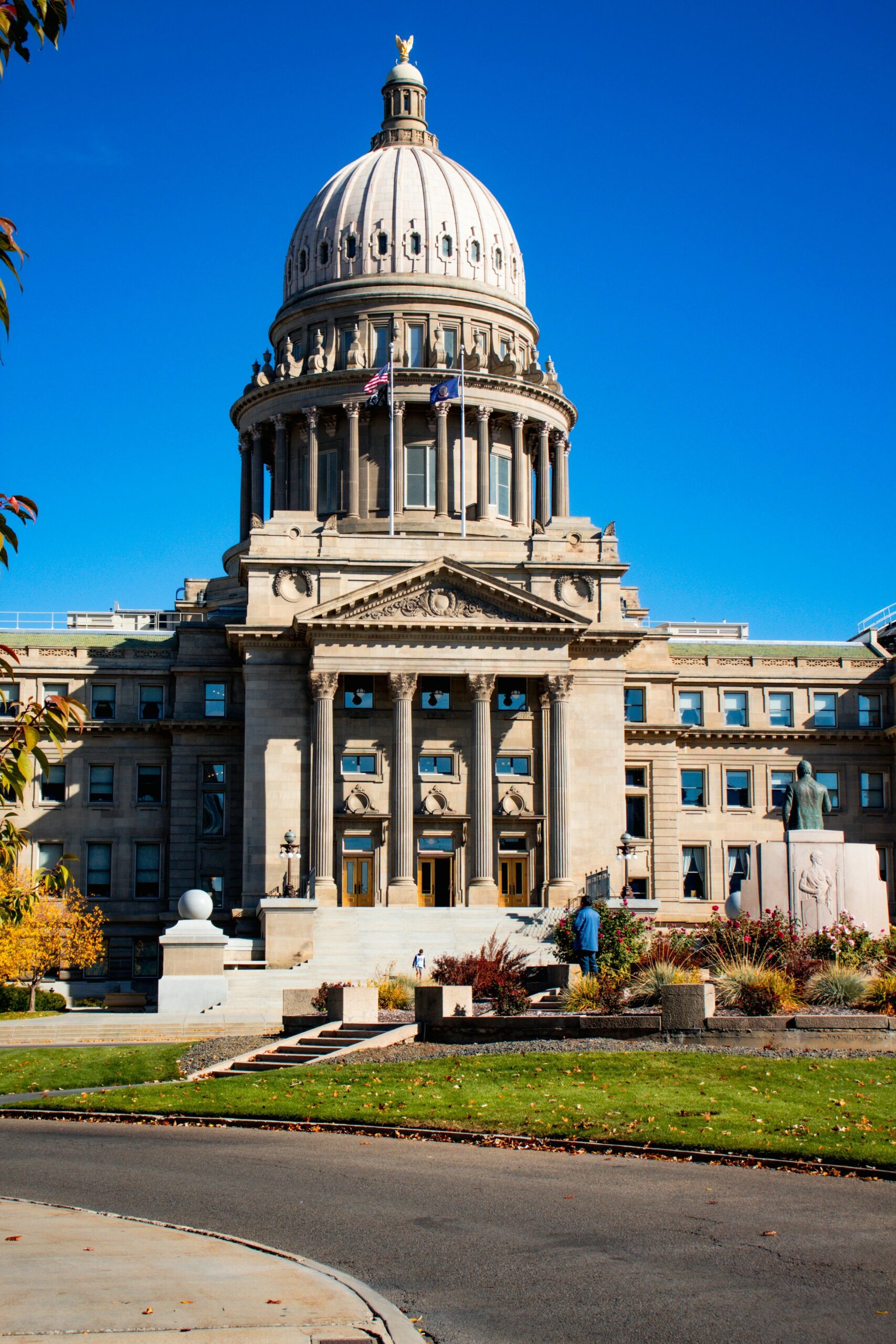
State-level lobbying is typically far less scrutinized than federal activity, which means industry dollars can achieve outsized influence over local utility regulations, land-use decisions, and university research partnerships at lower cost and with dramatically less visibility. As the Idaho Statesman has argued directly, one primary reason the United States continues to burn fossil fuels is the tremendous control the fossil fuel industry exerts over government — control exercised at every level, including state capitals that receive far less national media attention than Washington.
That relative invisibility is not an accident; it is a structural feature that benefits well-resourced lobbying operations. A lobbying dollar spent in Boise faces less scrutiny, less competition from opposing advocates, and less journalistic infrastructure than the same dollar spent in Washington. Idaho’s existing disclosure infrastructure is therefore a civic asset waiting to be activated — but activating it requires voters who know it exists and journalists who treat it as a regular beat rather than an occasional curiosity.
Voters who ask their state legislators to publicly disclose fossil fuel industry contributions received before co-sponsoring energy bills are making a low-cost, high-leverage transparency demand. It is a norm rather than a legal requirement, but norms carry genuine social enforcement power when enough constituents treat them as standard expectation rather than extraordinary requests.
What Happens When Lobbying Goes Unchecked: The Research Distortion Effect

Studies examining fossil fuel industry influence on public discourse have documented a consistent playbook: fund research designed to generate doubt about scientific consensus, amplify those findings through sympathetic media and policy channels, and use the resulting uncertainty to justify continued policy inaction. The strategy has direct historical precedent in the tobacco industry’s decades-long effort to contest the established link between smoking and cancer — a campaign whose internal documents, once released through litigation, revealed a deliberate manufacturing of scientific controversy.
When industry lobbying successfully steers federal agency priorities — as documented patterns of government market intervention in favor of fossil fuels suggest it has — independent scientists find themselves competing for a shrinking pool of grants in research areas the industry has not pre-legitimized. The compounding effect is significant: policy windows for clean energy transition narrow precisely when research confirming its feasibility is suppressed or chronically underfunded. Peer review itself can be compromised when journal editorial boards include researchers with undisclosed industry funding — a conflict-of-interest problem that mandatory disclosure requirements are specifically designed to address but cannot address if those requirements are not enforced or monitored.
What Transparency Demands Actually Look Like in Practice
Demanding transparency around fossil fuel lobbying influence is not an anti-industry position. It is the same standard of skepticism any reasonable person applies to a product review written by the manufacturer. The following actions are available to Idaho residents right now, without waiting for new legislation or federal action:
- Ask state legislators co-sponsoring energy bills to publicly disclose fossil fuel industry contributions received during the preceding election cycle. Frame it as a constituent expectation, not an accusation — the request itself normalizes the standard.
- Support research institutions that publish open-access funding maps and conflict-of-interest disclosures, giving local journalists the data infrastructure needed for ongoing watchdog coverage rather than sporadic investigations.
- Encourage local news outlets to treat Idaho’s lobbying disclosure filings as a regular reporting beat — applying the same routine scrutiny given to municipal budgets, school board decisions, and public contract awards.
- Use Idaho’s Secretary of State lobbyist database as a starting point for researching who is representing energy interests before state legislators, then share relevant findings during public comment periods on utility rate cases and land-use decisions where those interests are directly at stake.
- Attend public utility commission hearings and ask whether expert witnesses have disclosed their funding sources — a simple procedural question that signals civic awareness and raises the social cost of undisclosed conflicts.
The methods researchers use to trace fossil fuel lobbying’s influence on science are sophisticated, but the civic logic underlying them is straightforward: when the entity funding a study has a direct financial stake in its conclusions, disclosure is not a bureaucratic formality. It is the minimum condition for informed democratic participation. Idaho voters have more tools to enforce that standard than most of them realize — and the gap between having those tools and actually using them is, at this point, largely a matter of awareness.