GPS and Relativity Effects
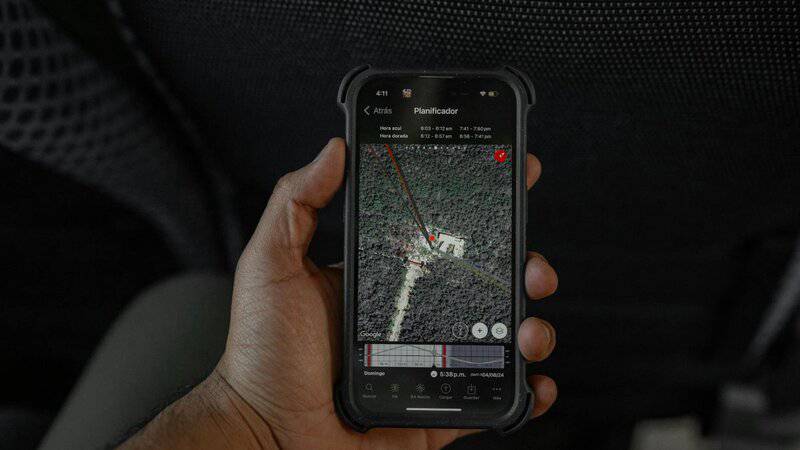
The practical significance of relativity becomes strikingly clear when considering the Global Positioning System (GPS). GPS satellites orbit Earth at high speeds and experience weaker gravity compared to the surface, causing their onboard clocks to tick slightly faster. Without adjustments accounting for these relativistic effects, navigation accuracy would deteriorate rapidly—by roughly 10 kilometers per day.
To maintain precise positioning, satellite clocks are intentionally corrected, compensating for relativistic discrepancies. This everyday reliance on relativity underscores how deeply Einstein’s insights into the speed of light have permeated modern life, enabling accurate navigation, communication, and countless technological advancements.