Volcanoes and Climate Change: The Connection
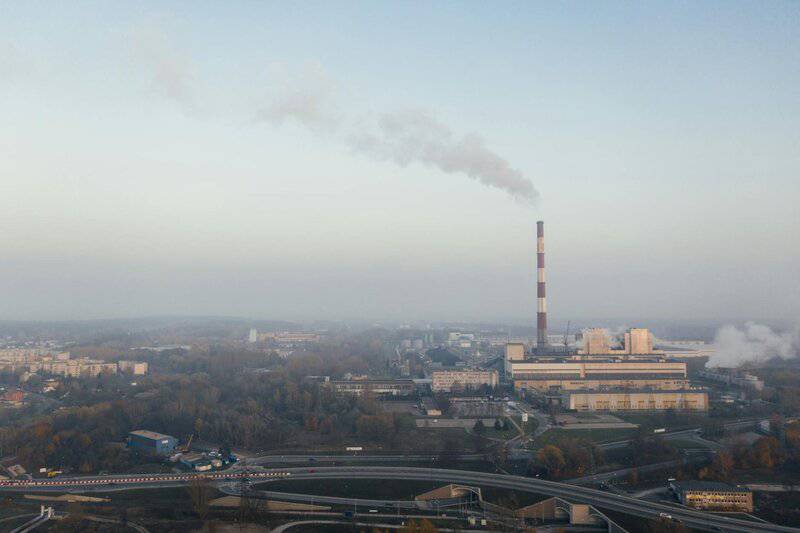
Volcanic eruptions can have a notable impact on climate change patterns. When a volcano erupts, it releases vast amounts of ash and gases, like sulfur dioxide, into the atmosphere. These particles can form an aerosol layer that reflects sunlight, leading to temporary cooling of the Earth’s surface. This phenomenon, known as volcanic winter, can influence global climate conditions for months or even years. Although these effects are typically short-lived, they highlight the complex relationship between natural events and climate systems. Understanding this connection is crucial for predicting and managing climate variability in the context of ongoing environmental changes.