
In a groundbreaking discovery, geologists in Hunan Province, China, have unearthed a “supergiant” gold deposit estimated to contain over 1,000 metric tons of high-grade gold ore, valued at approximately $83 billion. This monumental find, located in Pingjiang County’s Wangu gold field, comprises 40 gold-bearing veins extending to depths of up to 2 kilometers, with potential extensions to 3 kilometers. (jpost.com)
The exceptional quality of this deposit is underscored by core samples revealing gold concentrations of up to 138 grams per metric ton, significantly surpassing the typical 8 grams per ton considered high-grade in underground mining. (indiatoday.in)
This discovery not only positions China as a dominant force in the global gold market but also offers valuable insights into the geological processes that form such substantial mineral reserves. Understanding the methods employed in uncovering, assessing, and managing deposits of this magnitude can provide a roadmap for future exploration endeavors.
Step 1: Understanding High-Grade Gold Deposits
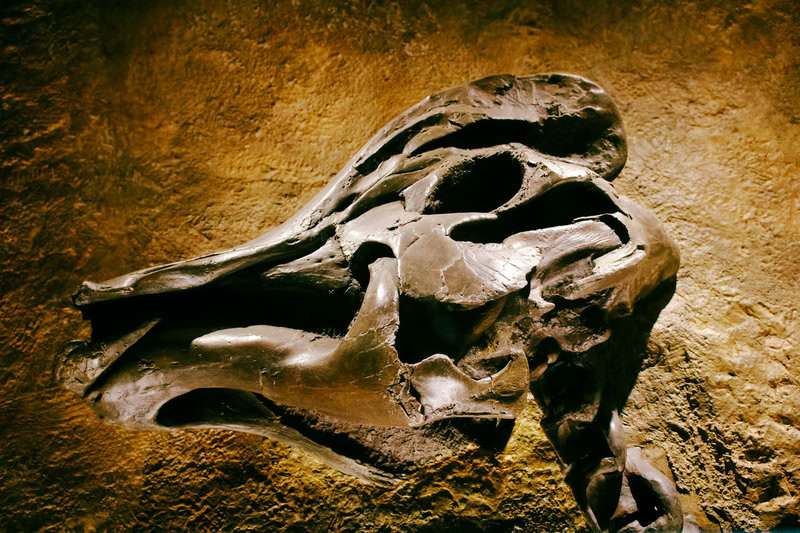
High-grade gold deposits are characterized by their exceptional gold concentrations, typically exceeding 8 grams per metric ton of ore. The recently discovered Wangu gold field in Pingjiang County, Hunan Province, China, exemplifies such a deposit, with core samples revealing up to 138 grams of gold per metric ton at depths of 2,000 meters. (focac.org)
A “supergiant” gold deposit refers to a reserve containing over 1,000 metric tons of gold. The Wangu gold field is estimated to hold more than 1,000 metric tons, valued at approximately $83 billion. (focac.org)
Geologically, such deposits often form along fault lines where tectonic activity facilitates the movement and concentration of gold-bearing fluids. In the case of the Wangu gold field, over 40 gold-bearing veins have been identified, extending to depths of up to 2,000 meters, with potential extensions to 3,000 meters. (focac.org)
Economically, the discovery of a supergiant gold deposit can significantly impact global gold markets, influencing supply chains, pricing, and mining operations. The Wangu gold field’s estimated value underscores its potential to reshape the global gold industry. (focac.org)
Step 2: Geological Survey and Exploration Techniques
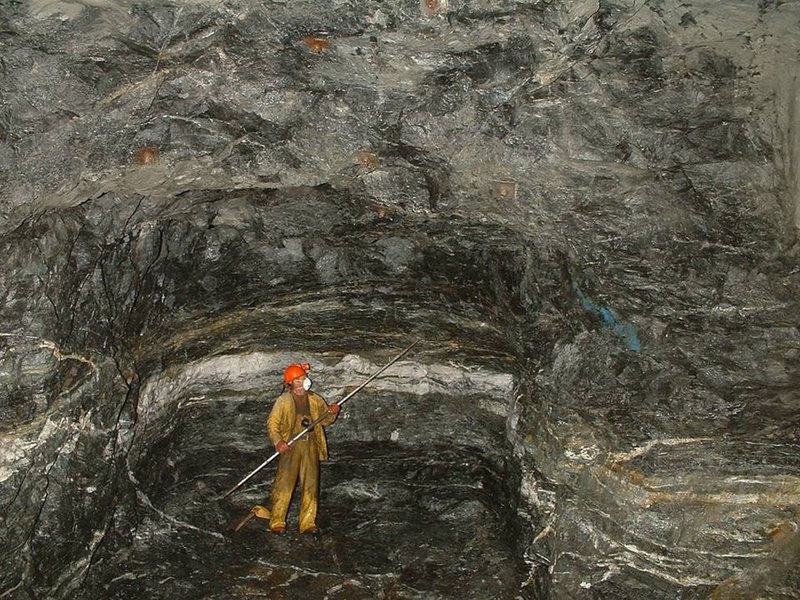
Geologists employ a variety of methods to identify and evaluate potential gold deposits, combining traditional techniques with advanced technologies to enhance exploration efficiency and accuracy. Key approaches include:
Geophysical Surveys: Techniques such as magnetic surveys detect variations in the Earth’s magnetic field caused by the presence of magnetically susceptible minerals, aiding in mapping subsurface structures associated with gold deposits. (farmonaut.com)
Seismic Surveys: Utilizing seismic waves, these surveys provide detailed images of subsurface geology, helping to identify faults and folds that may host gold mineralization. (farmonaut.com)
Geochemical Sampling: Collecting and analyzing soil, rock, and water samples for trace elements can indicate the presence of gold-bearing minerals, guiding further exploration efforts. (usgs.gov)
Remote Sensing: Satellite imagery and aerial surveys detect surface alterations and mineral anomalies, assisting in identifying prospective areas for gold deposits. (farmonaut.com)
Geological Mapping: Detailed mapping of rock formations and structures provides insights into the geological history and potential locations of gold mineralization. (usgs.gov)
Rigorous application of these exploration techniques enables geologists to systematically assess large areas, leading to significant discoveries like the Wangu gold field in China. By integrating multiple methods, exploration teams can effectively pinpoint high-potential zones, optimizing resource allocation and increasing the likelihood of successful gold mining ventures.
Step 3: Assessing Economic Viability
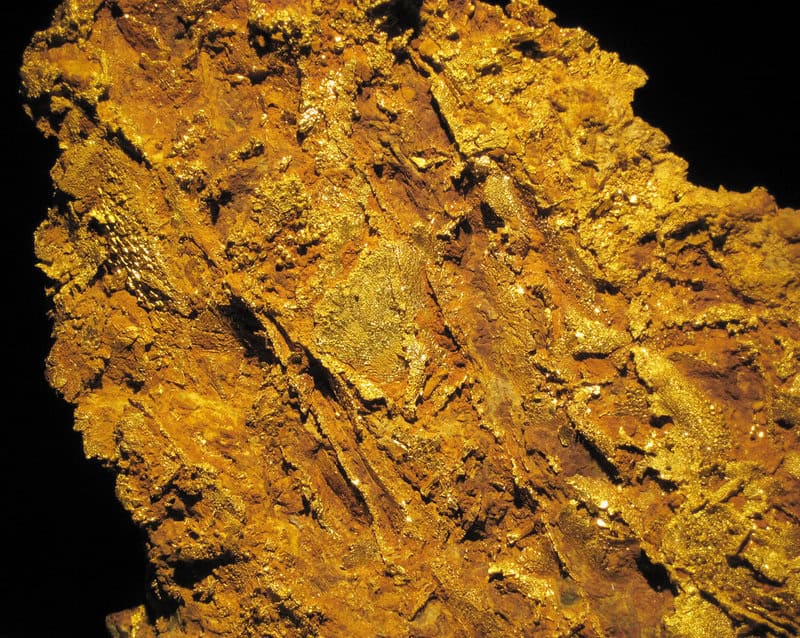
Determining the economic feasibility of a gold deposit involves a comprehensive evaluation of several critical factors:
Ore Grade Analysis: The concentration of gold within the ore significantly influences extraction costs and potential profitability. In the Wangu gold field, core samples have revealed gold concentrations up to 138 grams per metric ton, substantially higher than the typical 8 grams per ton considered high-grade in underground mining. (jpost.com)
Projected Extraction Costs: These encompass expenses related to mining operations, processing, transportation, and environmental management. Advanced exploration techniques, such as 3D geological modeling, have been instrumental in identifying the Wangu gold field’s extensive gold-bearing veins, which extend to depths of up to 2,000 meters, with potential extensions to 3,000 meters. This depth necessitates specialized mining methods, potentially increasing extraction costs. (nai500.com)
Market Value Calculations: The total value of a gold deposit is determined by multiplying the estimated gold content by the current market price. The Wangu gold field is estimated to contain over 1,000 metric tons of gold, valued at approximately $83 billion, based on current gold prices. (jpost.com)
Conducting a thorough economic assessment, including feasibility studies and preliminary economic evaluations, is essential to determine the viability of mining such a substantial deposit. These studies consider factors like ore grade, extraction costs, and market conditions to ensure that the project can yield a positive return on investment. (micon-international.com)
Step 4: Environmental and Regulatory Considerations
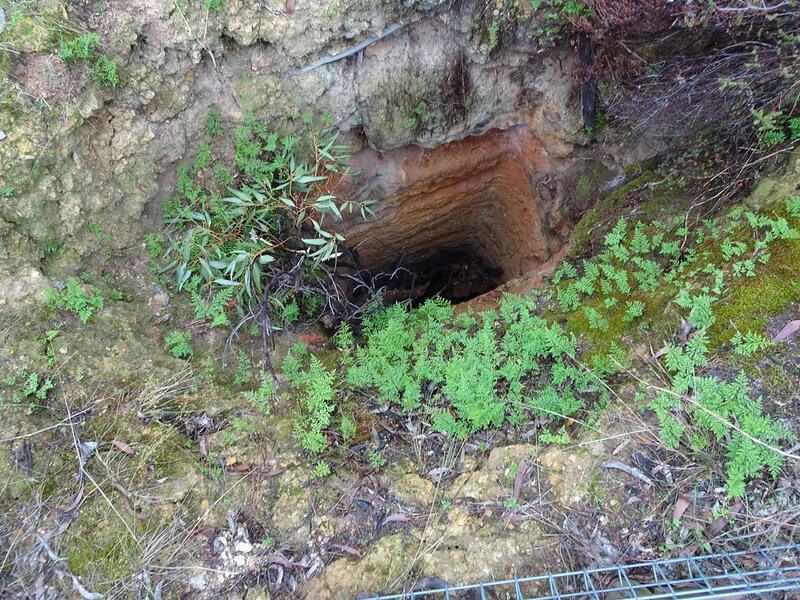
Before initiating mining operations, comprehensive environmental impact assessments (EIAs) and adherence to legal procedures are imperative to ensure sustainable practices and regulatory compliance. These processes are designed to mitigate adverse environmental effects and promote responsible resource extraction.
In China, the Environmental Impact Assessment Law mandates that an EIA be conducted prior to the construction of any project, including mining operations. This law requires developers to analyze, predict, and appraise the potential environmental impacts of their projects, proposing measures to prevent or mitigate adverse effects. The State Environmental Protection Administration (SEPA) has utilized this legislation to halt projects that fail to comply with EIA requirements, underscoring the importance of environmental due diligence. (en.wikipedia.org)
Globally, mining regulations vary, but there is a growing emphasis on sustainability and environmental protection. For instance, the Global Reporting Initiative (GRI) has developed a standard specifically for the mining sector, focusing on 25 topics that are material to mining companies. This standard aims to enhance transparency and accountability, enabling companies to report their environmental and social impacts effectively. (globalreporting.org)
Environmental concerns associated with mining include deforestation, habitat loss, water pollution, and air pollution. Implementing sustainable mining practices, such as waste reduction, recycling, land reclamation, and biodiversity conservation, is crucial to minimize these impacts. Additionally, adopting renewable energy sources and reducing greenhouse gas emissions are essential steps toward sustainable mining operations. (m-mtoday.com)
In summary, thorough environmental assessments and adherence to both national and international regulations are vital for the responsible development of mining projects. These measures ensure that mining activities contribute positively to economic development while preserving environmental integrity and promoting sustainability.
Step 5: Managing and Developing a Supergiant Deposit
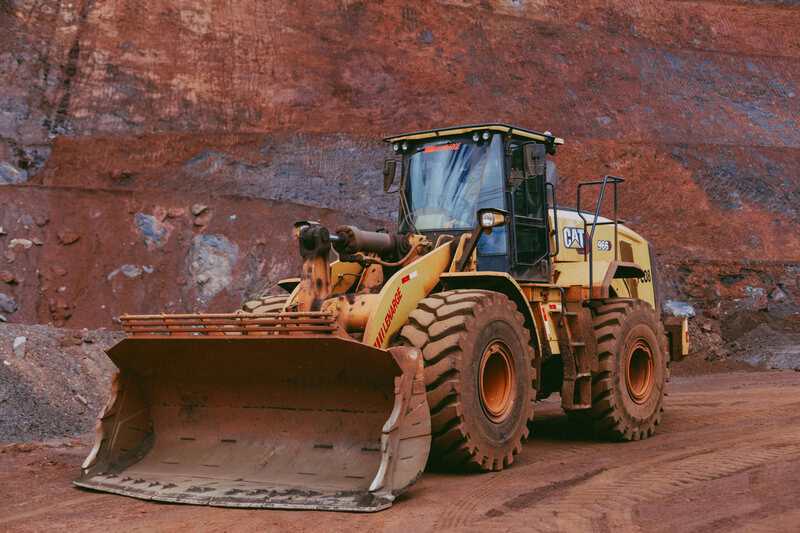
Transitioning from the discovery to the development of a supergiant gold deposit involves several critical steps to ensure efficient and responsible resource extraction. These steps include securing investment, planning infrastructure, and implementing responsible extraction methods.
Securing Investment: The substantial value of a supergiant gold deposit, such as the Wangu gold field in Hunan Province, China, estimated at approximately $83 billion, necessitates significant capital investment. Attracting investors requires presenting comprehensive feasibility studies that demonstrate the project’s economic viability, projected returns, and risk assessments. In the case of the Wangu gold field, the Chinese government has already invested over 100 million yuan (approximately $14 million) in mineral exploration, highlighting the commitment to developing this resource. (riotimesonline.com)
Infrastructure Planning: Developing a supergiant gold deposit demands extensive infrastructure to support mining operations. This includes constructing roads, power supply systems, water management facilities, and processing plants. For instance, the Carmichael coal mine in Australia required the construction of a 388 km long standard-gauge railway to transport materials and products. Similarly, the Borden Lake mine in Canada developed a ramp into the deposit and extraction facilities to support mining activities. (en.wikipedia.org)
Responsible Extraction Methods: Implementing responsible extraction methods is crucial to minimize environmental impact and ensure the sustainability of mining operations. This involves conducting thorough environmental impact assessments, adhering to regulatory requirements, and adopting best practices in mining technology. For example, the Donlin Gold Project in Alaska has developed plans for a large-scale mining operation with a focus on environmental stewardship and community engagement. (en.wikipedia.org)
By securing adequate investment, meticulously planning infrastructure, and committing to responsible extraction methods, the development of a supergiant gold deposit can proceed effectively, maximizing economic benefits while minimizing environmental and social impacts.
Conclusion
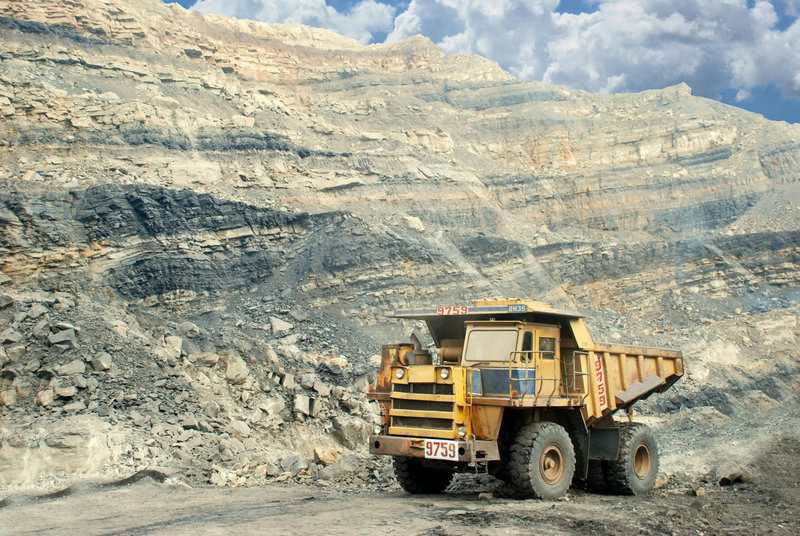
Identifying, evaluating, and responsibly managing supergiant gold deposits require meticulous geological surveys, thorough economic assessments, and adherence to environmental regulations. The recent discovery of the Wangu gold field in Hunan Province, China, exemplifies the potential of such endeavors, with reserves estimated at over 1,000 metric tons valued at approximately $83 billion. Engaging with mining developments necessitates informed decision-making, considering both economic opportunities and environmental responsibilities. This discovery underscores the importance of sustainable practices in the mining industry and highlights the potential for future significant finds. (news.cgtn.com)