2. Geological Formation
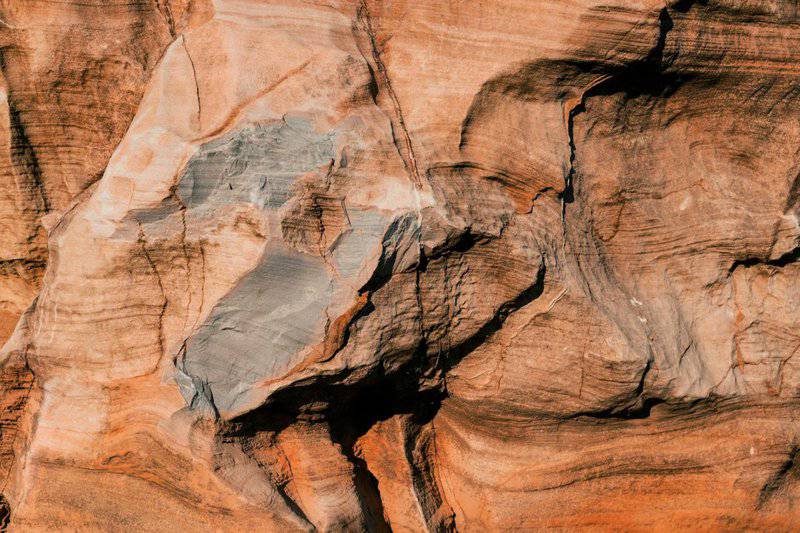
The newly discovered gold deposit owes its existence to ancient geological processes involving intense volcanic and tectonic activity. Approximately 150 million years ago, magma intrusions deep within the Earth’s crust led to hydrothermal fluid movements, which carried dissolved gold and other minerals upward through fractures and fissures. As these mineral-rich fluids cooled and crystallized, they formed extensive quartz veins embedded with dense concentrations of gold particles. Additionally, the region’s dynamic tectonic history created structural traps and faulting systems, providing ideal conditions for gold accumulation. This unique combination of volcanic activity, fluid dynamics, and structural geology resulted in the exceptional deposit found today.