Revealing the Moons of Jupiter
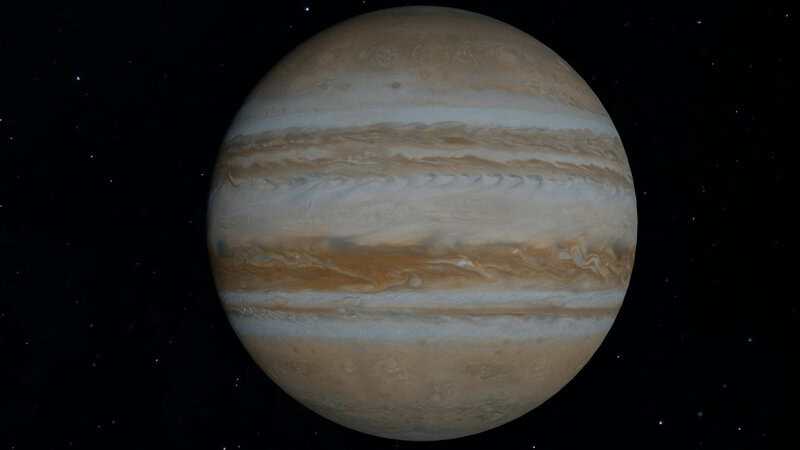
On January 7, 1610, Galileo Galilei observed Jupiter through his enhanced telescope and discovered four celestial bodies—Io, Europa, Ganymede, and Callisto—now known as the Galilean moons. These moons exhibited regular movements around Jupiter, challenging the prevailing geocentric model that posited all celestial bodies orbited Earth. Galileo’s findings provided strong evidence for the heliocentric theory, which proposed that planets, including Earth, revolve around the Sun. This discovery marked a pivotal moment in astronomy, reshaping our understanding of the cosmos. (nasa.gov)