Over $25 Million in Private Funds Raised to Solve Kenya’s Water Problem
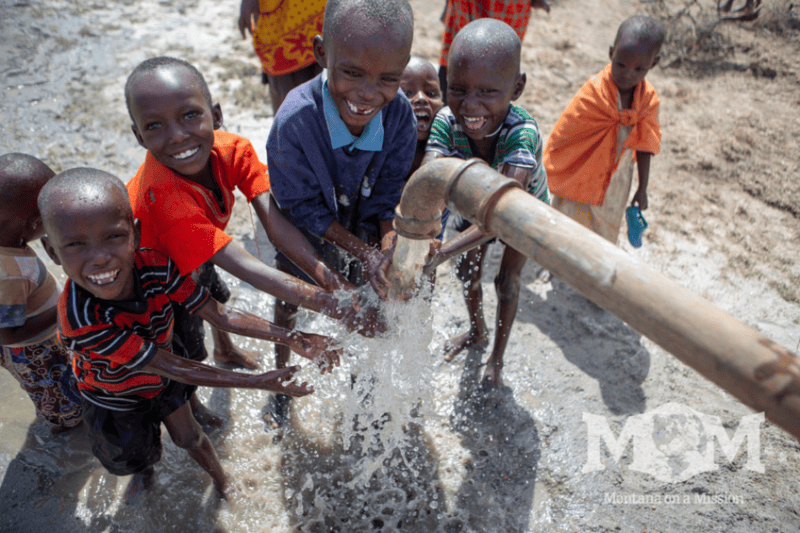
Ensuring access to clean water and sanitation is a fundamental goal for countries worldwide. In Kenya, this aspiration is enshrined in the national development plan, which aims to make basic water and sanitation available to all citizens by 2030. Estimates suggest that $14 billion is needed over the next 15 years to achieve universal access to safe water. To bridge this financing gap, Kenya adopted a multifaceted approach, leveraging commercial financing alongside traditional sources of funding.
The World Bank Group, in collaboration with international partners, played a crucial role in scaling up the financial and operational performance of water service providers. This involved supporting creditworthiness assessments, piloting financing initiatives, and facilitating access to commercial debt.Central to these efforts was the establishment of a robust regulatory and institutional framework.
Reforms introduced through Kenya’s Water Act of 2002 aimed to improve governance and operational efficiency in the water sector. Subsequent legislation, such as the Water Act of 2016, aligned the sector with the country’s constitutional provisions and facilitated debt financing for investment. By 2018, over $25 million in private capital had been raised, with significant investments directed towards improving water infrastructure.
Projects supported by the World Bank Group and its partners have already provided water access to hundreds of thousands of people, with many more expected to benefit in the coming years. Moreover, these initiatives have fostered a growing appetite for blended financing among utilities and local banks, signaling a positive shift towards sustainable water management practices. Through collaborative efforts and innovative financing mechanisms, Kenya is making significant strides towards achieving its goal of universal access to clean water and sanitation, offering hope for a healthier and more prosperous future for its citizens.