Extremely Rare Double Brood Cicada Emergence
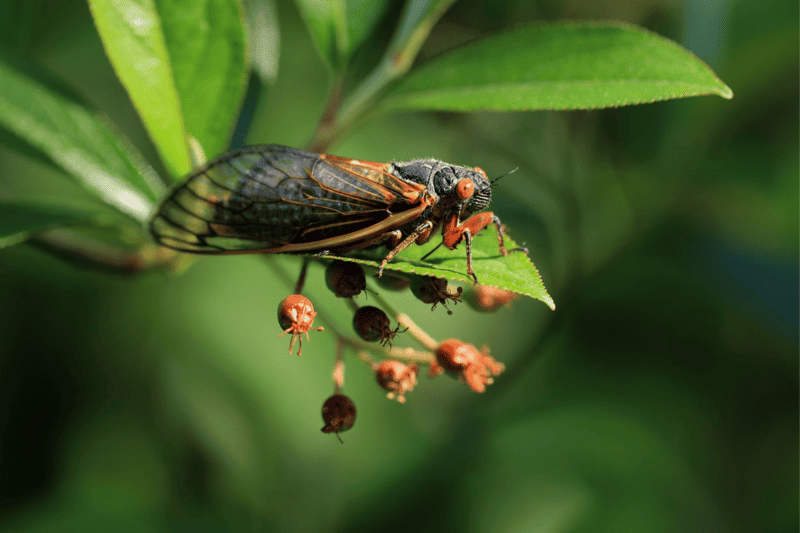
In the forests of the eastern United States, a grand comeback is underway after two quiet years. This spring, we’re in for a unique spectacle as two separate batches of periodical cicadas emerge across much of the region. These fascinating insects, known for their 13- or 17-year life cycles, surface in a synchronized frenzy of mating and egg-laying before passing away, leaving the next generation to continue the cycle.
According to John Lill, an insect ecologist at George Washington University, the simultaneous emergence of these broods in both time and space is highly unusual, generating considerable excitement among scientists and nature enthusiasts alike. Most of the cicadas we’ll witness this year belong to the Great Southern Brood, also known as Brood XIX, a 13-year cohort spanning several states. Additionally, the 17-year cicadas due this season belong to Brood XIII. Amazingly, this year’s emergence will feature all seven species of periodical cicadas found in the U.S., making it a remarkable event.
The mass emergence of cicadas serves a crucial ecological purpose, primarily as a defense mechanism against predators. Martha Weiss, an insect ecologist at Georgetown University, explains that cicadas emerge in vast numbers to satiate predators, ensuring survival through sheer numbers. Although cicadas may seem overwhelming during an emergence, they play a vital role in ecosystem dynamics. Their interactions with predators and their effects on tree growth patterns emphasize their significance in shaping forest ecosystems.
Indeed, this year’s synchronized emergence is a spectacle not to be missed. It offers a unique opportunity for observation and appreciation of the natural world, leaving a lasting impression on those who witness it. Amidst the spectacle, there’s a certain magic to be found—an experience that will be remembered for years to come. This extraordinary event also gives us hope for the resilience and wonder of nature, reminding us of its capacity for renewal and adaptation despite disruptions and uncertainties.