India’s Tiger Populations are Steadily Increasing
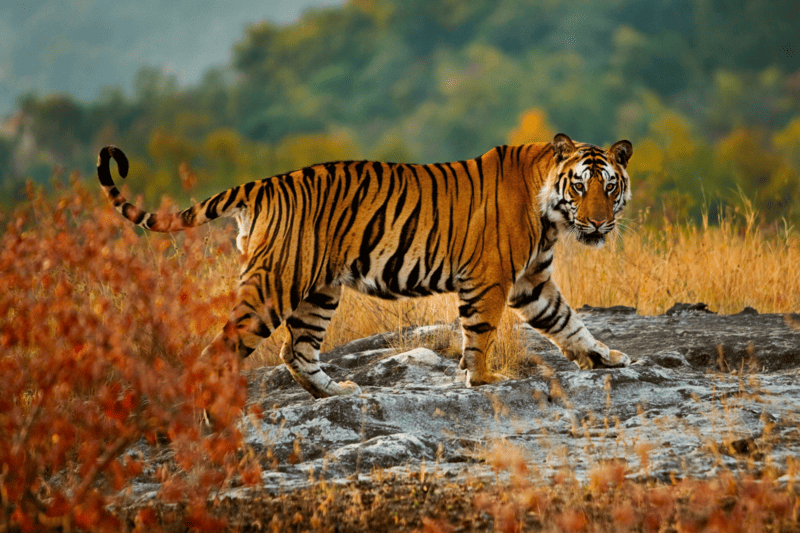
India’s tiger population resurgence reflects the nation’s unwavering commitment to conservation, with 3,682 individuals recorded in 2022, up from 2,967 in 2018. This positive trend over the past decade showcases significant strides in protecting this iconic species, distributed across various regions such as Madhya Pradesh, Karnataka, Uttarakhand, and Maharashtra, with a quarter thriving outside protected areas. India’s proactive approach is evident through 53 tiger reserves covering 75,796 square kilometers, crucial for tiger survival.
India’s proactive approach to tiger conservation is exemplified by the establishment of 53 dedicated tiger reserves, encompassing a vast area of 75,796 square kilometers. These reserves serve as crucial habitats for tigers, providing sanctuary and protection from various threats. Notable reserves such as Corbett National Park in Uttarakhand, Bandipur, and Nagarhole in Karnataka have emerged as strongholds for tiger populations. Corbett alone reported 260 tigers, followed by Bandipur with 150 and Nagarhole with 141, underscoring the importance of these protected areas in ensuring the survival of the species.
While some regions have seen a rise in tiger numbers, others like the Western Ghats face declines, emphasizing the need for targeted conservation efforts. Scientific methods like camera trapping, capturing 88% of the estimated tiger population, aid in monitoring and planning conservation. The 2022 survey, which captured approximately 88% of the estimated tiger population on camera, demonstrates the utility of these techniques in providing valuable data for conservation planning.
Sustaining growth requires ongoing habitat restoration, prey base augmentation, and anti-poaching measures, ensuring a brighter future for India’s iconic national animal through collaborative conservation initiatives. With tigers increasing at an average rate of 5% to 6% annually since 2014, India’s conservation initiatives offer hope for the continued coexistence of humans and tigers in the wild. Through collaborative efforts involving government agencies, conservation organizations, and local communities, India aims to secure a brighter future for its iconic national animal.