Polywater

People Behind It: Boris Deryagin, Nikolai Fedyakin
Belief Timeframe: 1962 to late-1970s (some still believe in the present)
The concept of Polywater is still something people believe in today, and it has caused a lot of controversy in the field of science. Therefore, it should not surprise you that this has become one of the big scientific theories that fooled scientists for years. The idea is that there is a supposedly “polymerized” form of water. Which is water that consists of large molecules or macromolecules, composed of many repeating subunits. Since they have a huge spectrum of properties, both synthetic and natural polymers play essential roles in our everyday life. Soviet Union physicist Nikolai Fedyakin had initially worked on a form of water that had higher boiling points and lower freezing points. It even had a higher viscosity than normal water, making it like syrup.
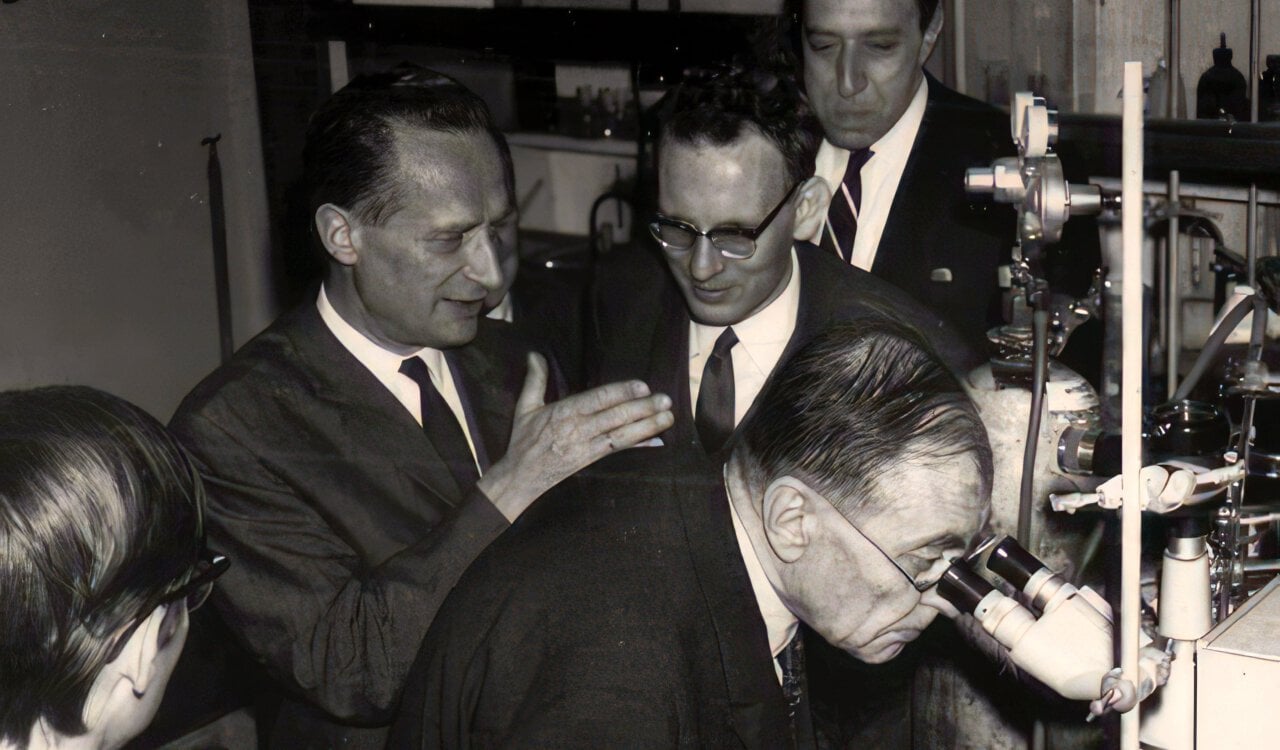
A year later, Boris Deryagin of the Institute for Physical Chemistry in Moscow, improved upon Fedyakin’s work and claimed he discovered a new form of water. Emerging as a real thing in the 1960s, major media outlets began to talk about the “polywater gap” in the United States. This led to scientists looking into it more and they found that there was really no such thing by the mid-1970s. Scientists claimed that polywater is simply illusionary, so anyone buying it was just drinking normal water. If anything else was present in the water, it would have been added by a lab and not simply found that way. We now refer to it as a “pathological science.” This is when people are fooled into believing false results due to something like wishful thinking, subjective effects, or threshold interactions.